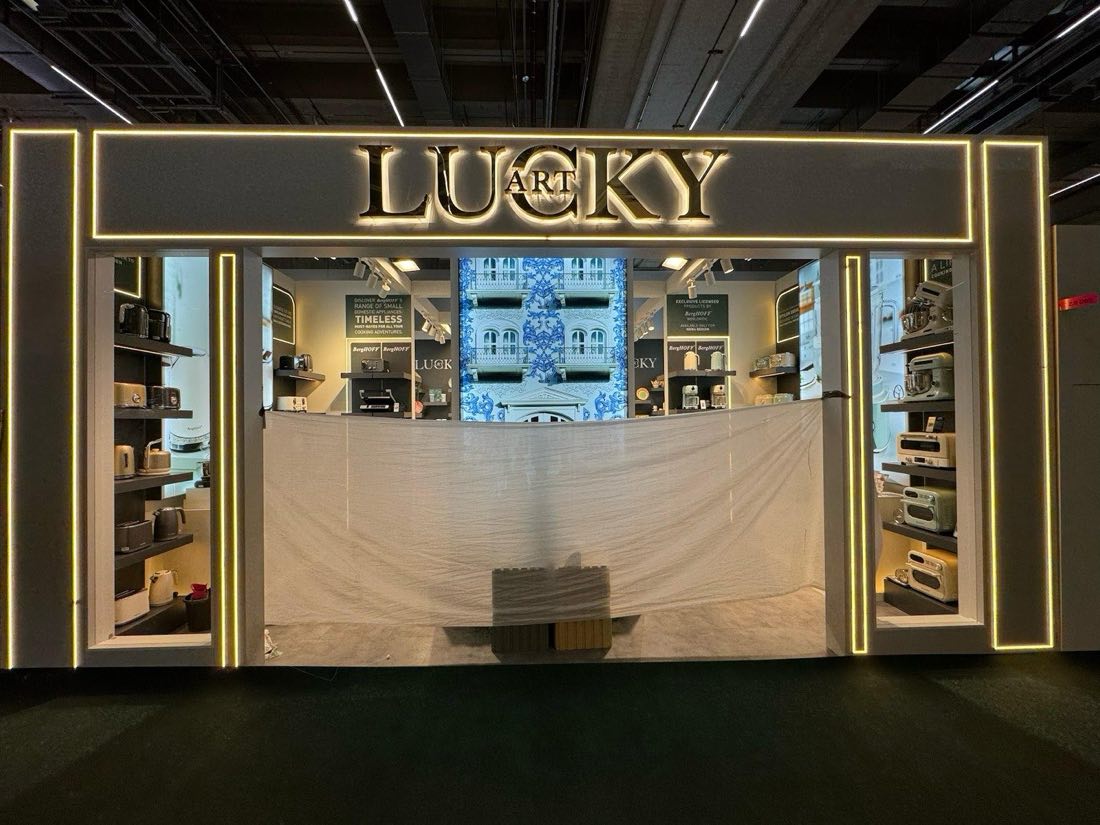
Exhibition Stands Abroad: A Practical Guide
Stand options, a backwards timeline, logistics realities, layout planning and post-fair follow-through for exhibiting internationally.
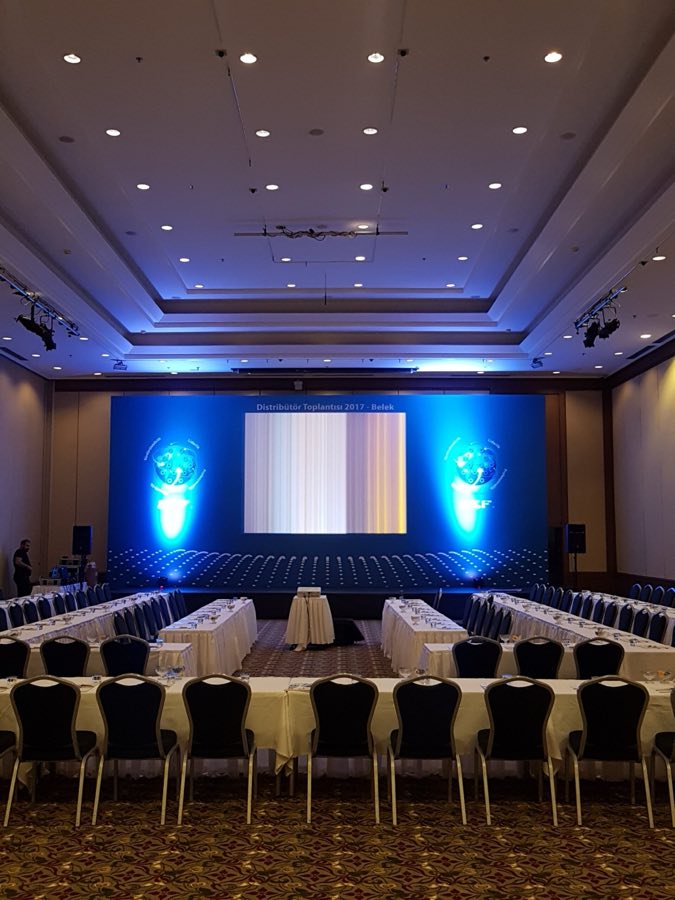
Corporate Event Planning Checklist
Every step of planning a corporate event, from defining objectives to the post-event review — with the checkpoints that matter at each stage.
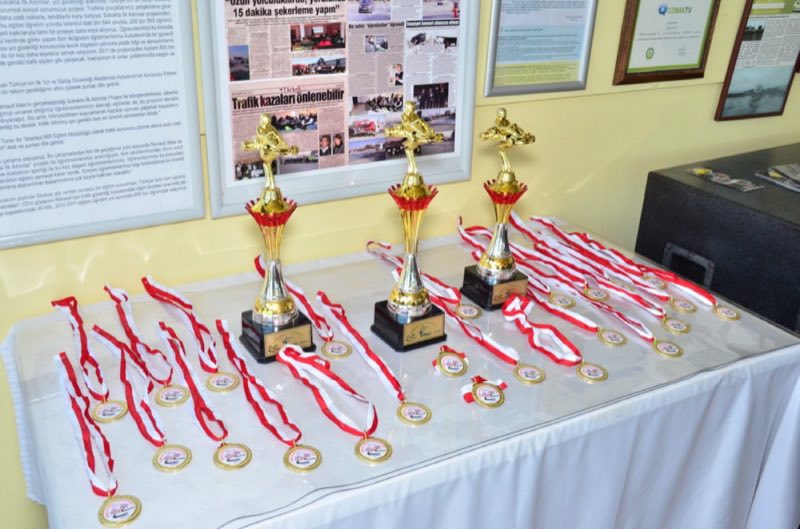
Award Ceremony Planning
Category architecture, ceremony pacing, stage choreography, name verification and what to do with the trophies nobody collected.
Event Budgets: The Line Items Everyone Forgets
Generators, overnight de-rigging, speaker travel, storage: the costs that rarely appear in first-round quotes, and how to budget for them.
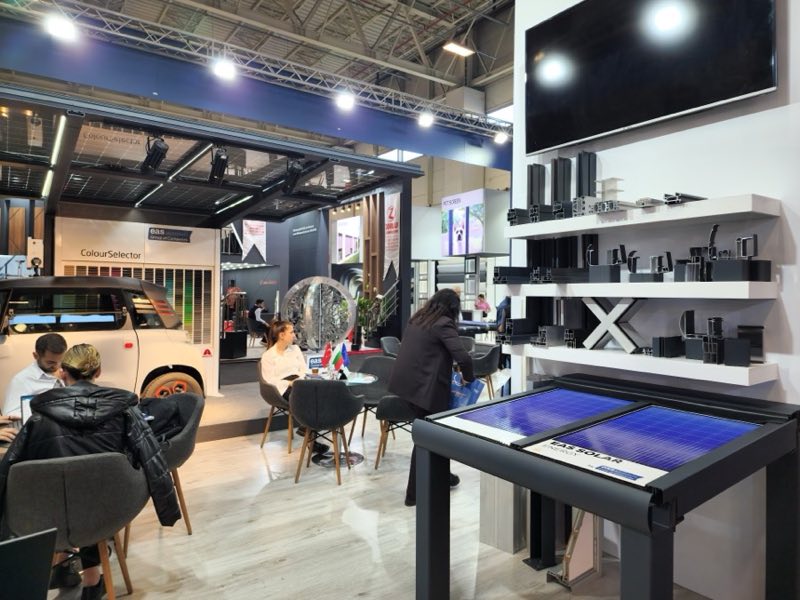
Exhibition Stand Types Compared
Shell scheme, modular systems and custom builds: cost, lead time and visibility compared, with criteria for choosing between them.
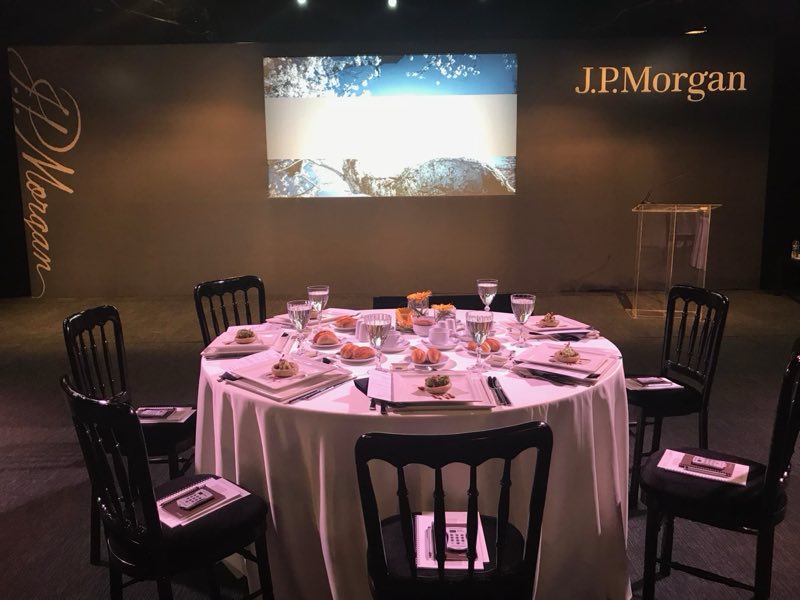
How to Choose a Corporate Event Venue
Capacity in your actual layout, access, technical infrastructure, catering policy and contract terms: a repeatable venue evaluation method.
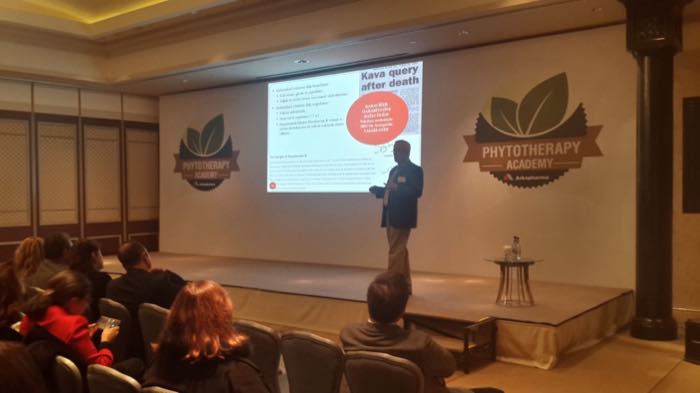
Event Invitations and RSVP Management
Invitation content standards, send timing, an RSVP system that feeds operations, and practical ways to reduce no-shows.
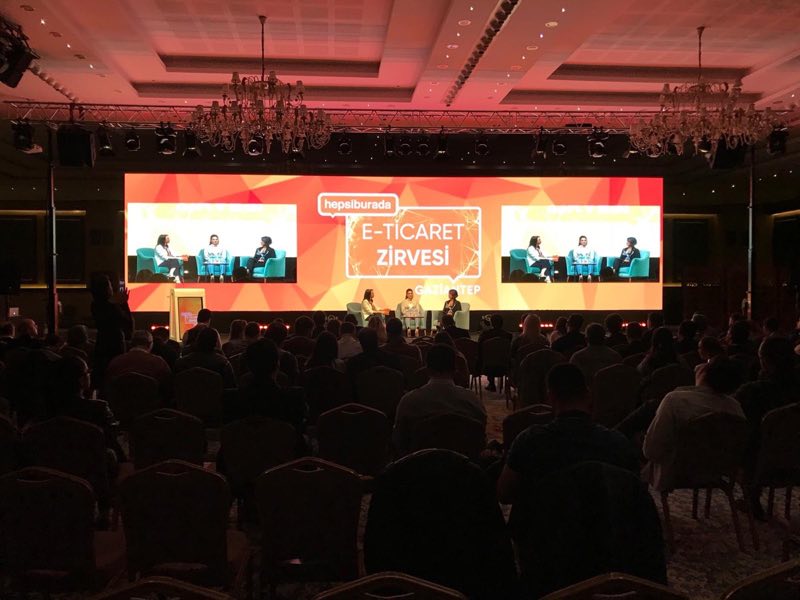
Event Production Basics: Sound, Light, Video
What event owners need to know about sound, lighting, video and staging to brief a technical team and read a production quote.
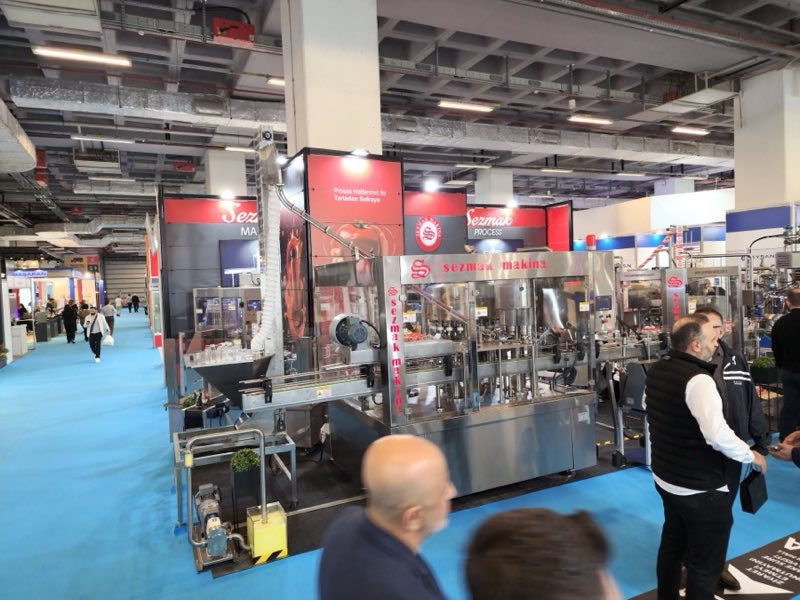
The Complete Trade Fair Budget
Organiser fees, stand investment, logistics, team costs and on-site spending — every line of a fair budget, plus support schemes.
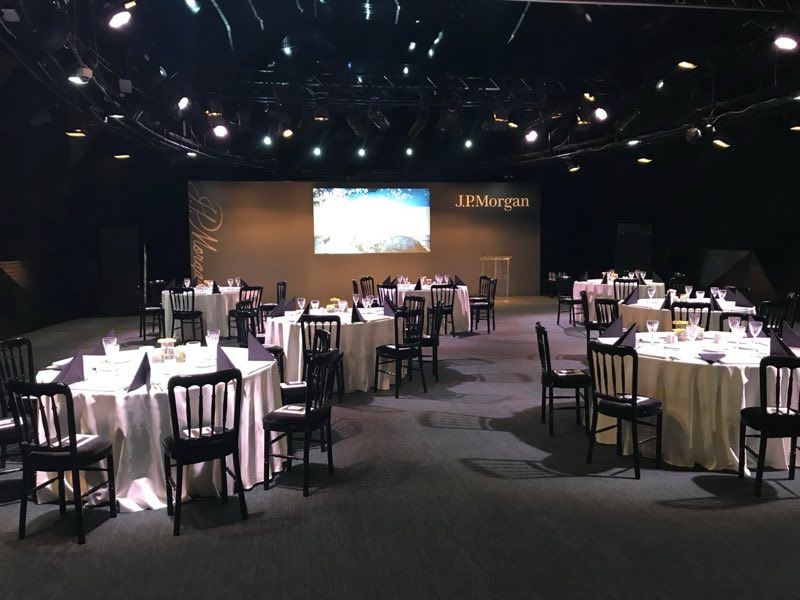
Event Catering Planning: Format to Service
Service format, menu design around your guest profile, staffing ratios, beverage models and what to pin down in the catering contract.
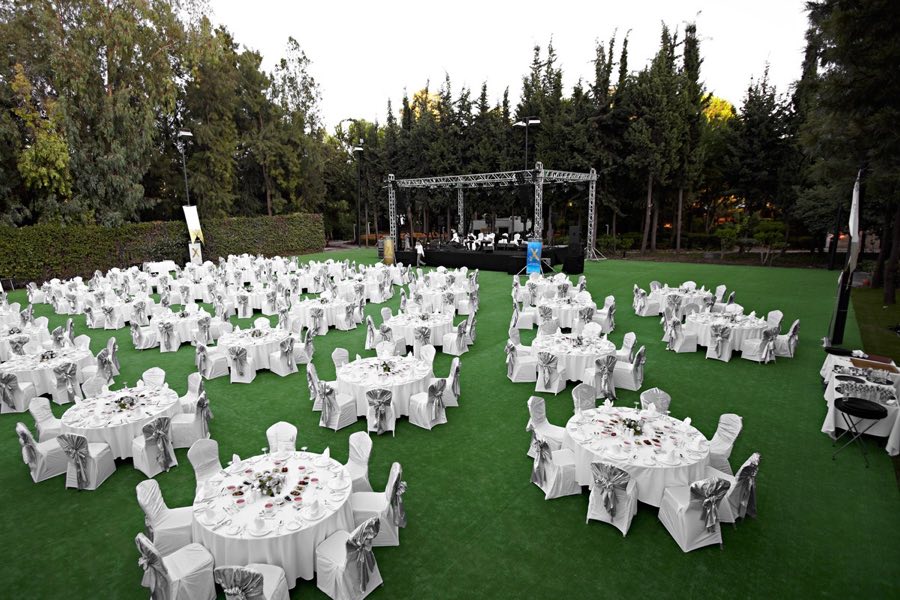
Simultaneous Interpretation at Events
Choosing between simultaneous and consecutive, booth and audio requirements, interpreter coordination and cost optimisation.
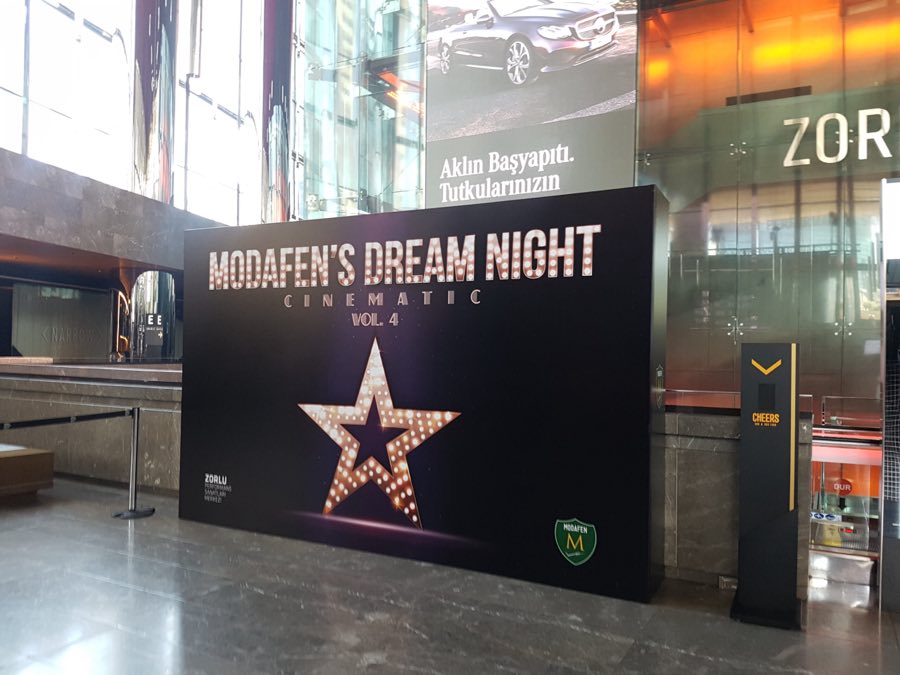
Choosing Hosts and Performers for Events
Define the role before the name: selection criteria, contract and rider terms, briefing content and where to place the performance.
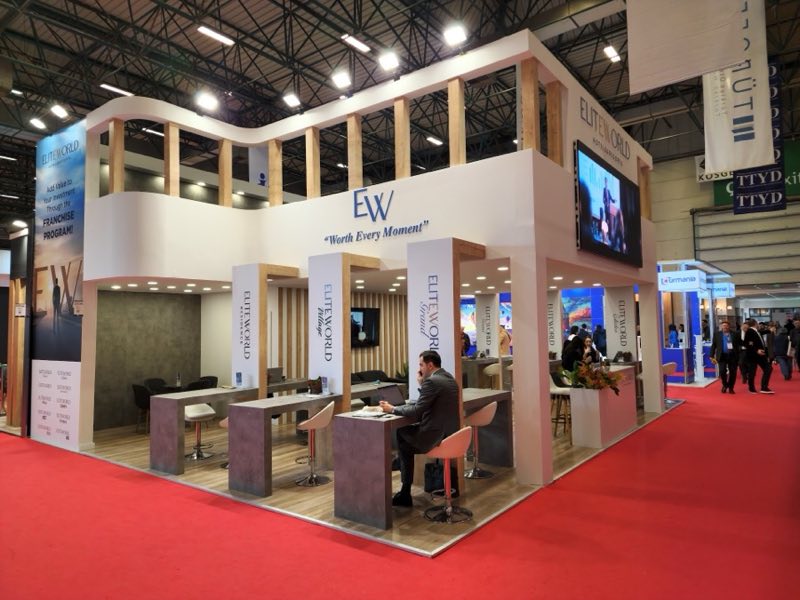
Choosing the Right Trade Fair
Audited visitor data, exhibitor list analysis, market fit, timing and the scouting visit: a data-driven fair selection method.
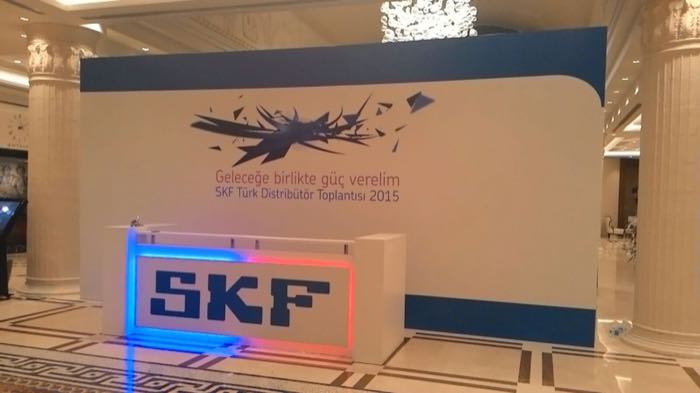
Planning an Effective Dealer Conference
Balancing information, dialogue and recognition; using field input in content, managing logistics and following through after the meeting.
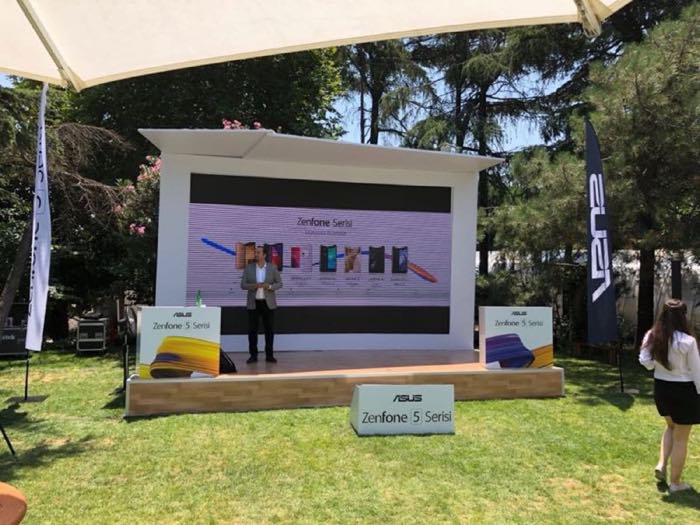
Product Launch Events: A Planning Sequence
Message definition, audience and format, designing the reveal, demo risk management, confidentiality and the first hours after launch.
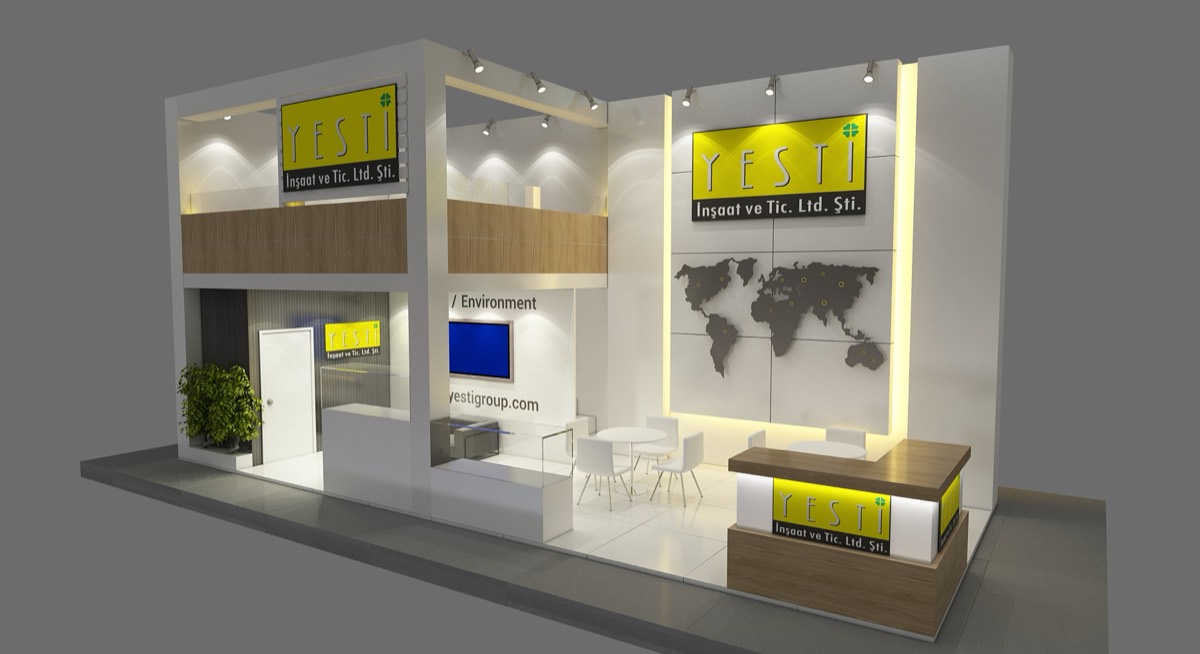
The 3D Stand Design Process
What belongs in the design brief, how concept and revision rounds work, fair-rule constraints and the handover to production drawings.
Gala Dinner Planning: The Details That Matter
Table plan politics, lighting scenes, matching speeches to service, and the pre-doors checklist that keeps a gala evening composed.
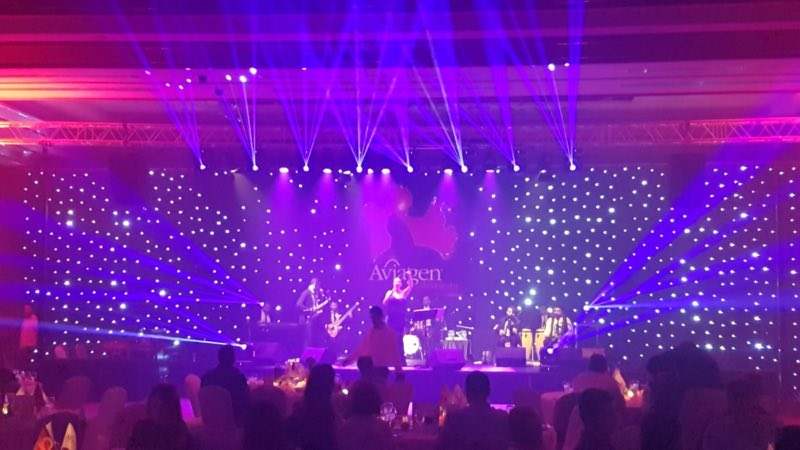
Event Photography and Video Planning
The shot list, format decisions by purpose, crew coordination with lighting, clean audio, delivery terms and archive discipline.
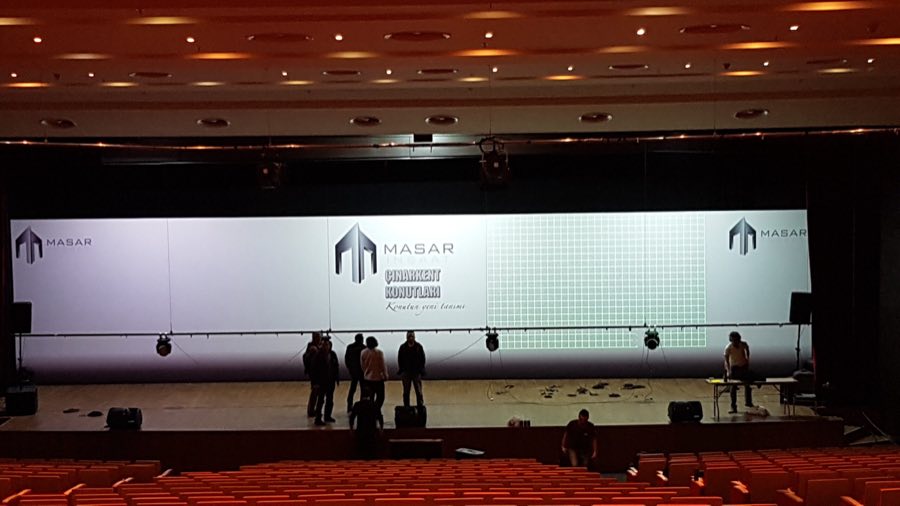
Congress Management: Multi-Room Operations
Registration throughput, parallel session planning, speaker traffic, time discipline and sponsor placement in multi-room events.
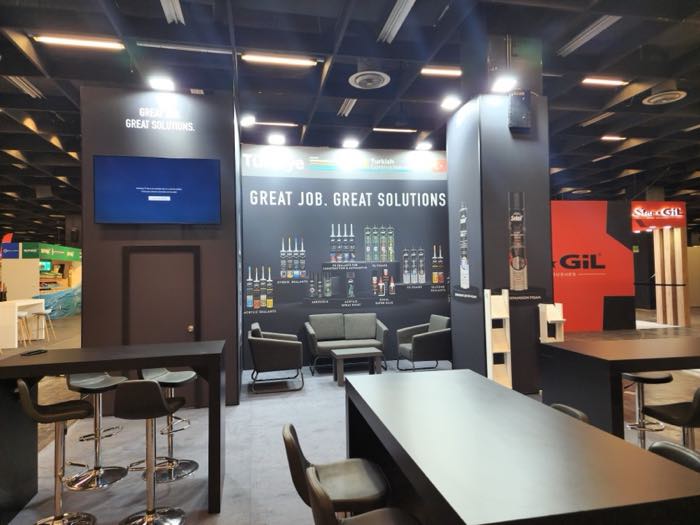
Trade Fair Logistics and Customs
Freight planning, the ATA Carnet, transport modes, on-site handling rules and the return leg — the invisible half of exhibiting abroad.
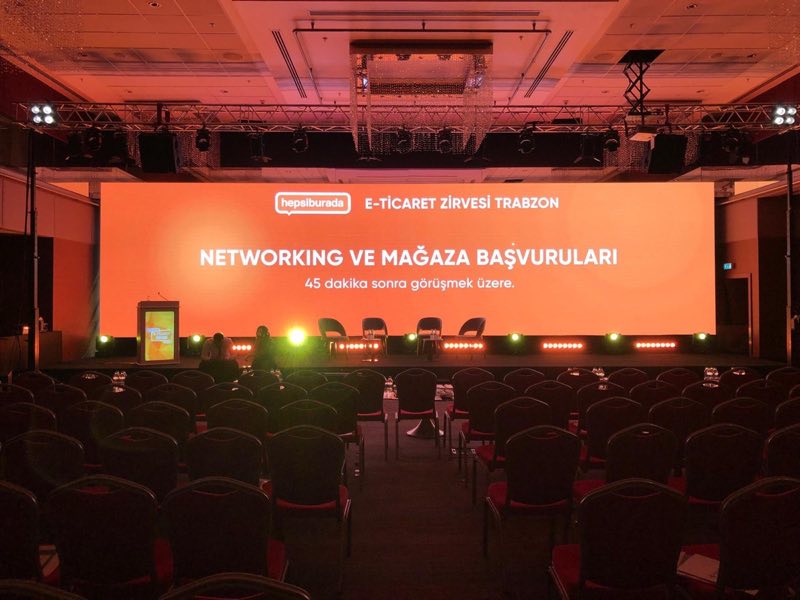
Hybrid Events: Managing Room and Stream
Two audiences, two experiences: broadcast infrastructure, dedicated moderation, budgets and the rehearsal rules for hybrid events.
Incentive Trip Planning
Destination and date selection, passports and visas, the balance of shared moments and free time, and the operations backbone.
Measuring Event Success
A four-layer measurement framework — attendance, experience, behaviour, visibility — plus survey design and a one-page report format.
Exhibition Stand Staff: Selection and Briefing
Team composition and shifts, the pre-fair briefing agenda, floor behaviour standards and the debrief that captures market intelligence.
Guest List Management: Invites to Arrival
Segmented lists, RSVP tracking that feeds operations, arrival-desk capacity and the scenarios worth deciding before event day.
First-Time Exhibitor Roadmap
Realistic goals, a measured first stand, the preparation checklist, a dual programme for fair days and the go/no-go review.
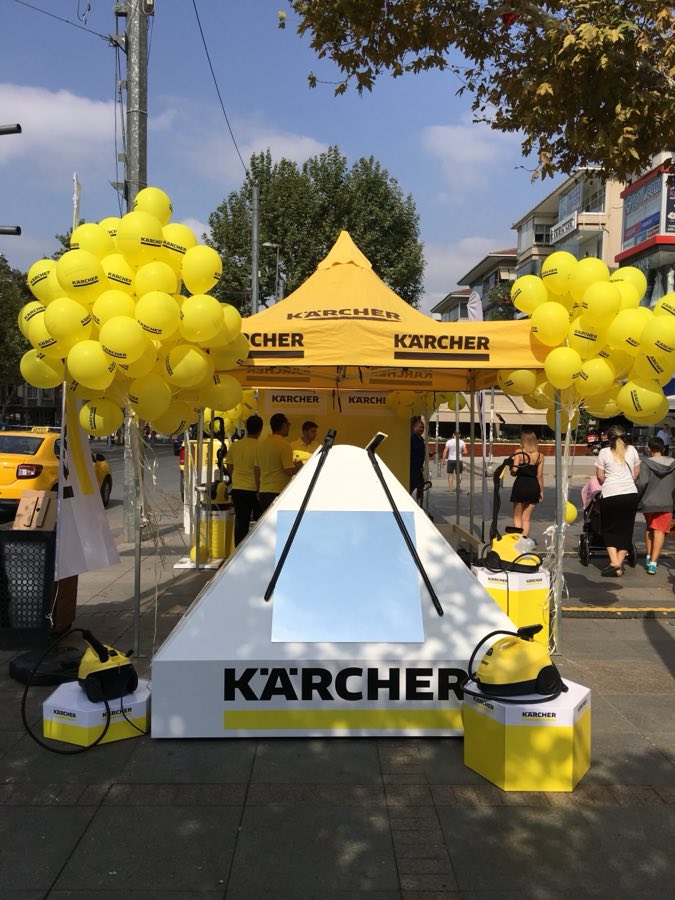
Applying Brand Identity to Events
Beyond logo placement: translating brand values into venue, content and staff behaviour, and checking consistency before doors open.
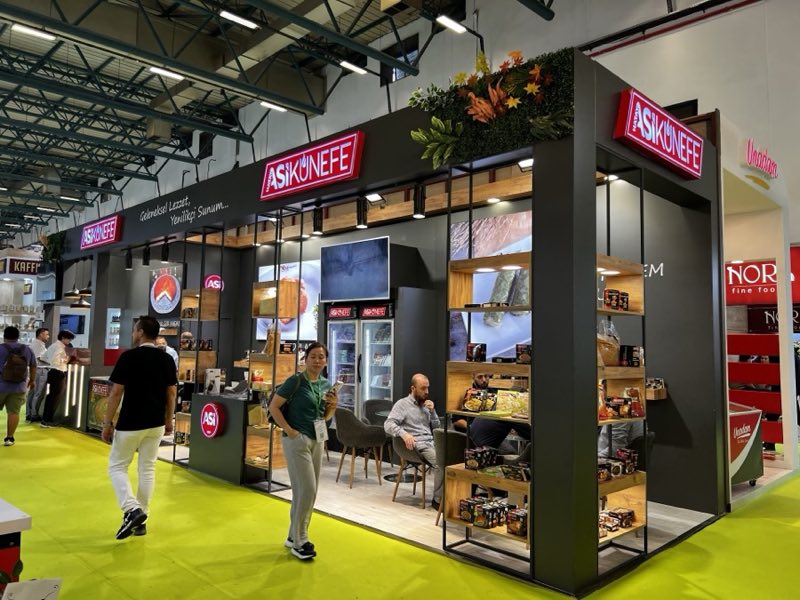
Lead Capture at Trade Fairs
Defining a lead, the conversation record, capture mechanics that visitors accept, nightly triage and the first-week handoff.
Building an Event Timeline That Holds
A backwards project calendar plus a minute-level run sheet: dependencies, buffers, single-version discipline and change management.
Outdoor Corporate Events: Risk Management
Weather fallbacks with a decision deadline, ground and power infrastructure, sound permits, comfort measures and realistic build plans.
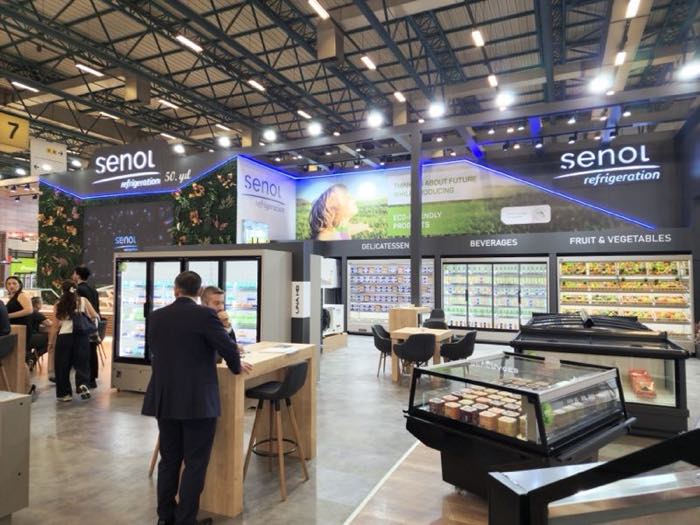
Post-Fair Follow-Up That Converts
The first 48 hours, delivering what was promised, temperature-based cadence, the internal report and the long tail of fair contacts.
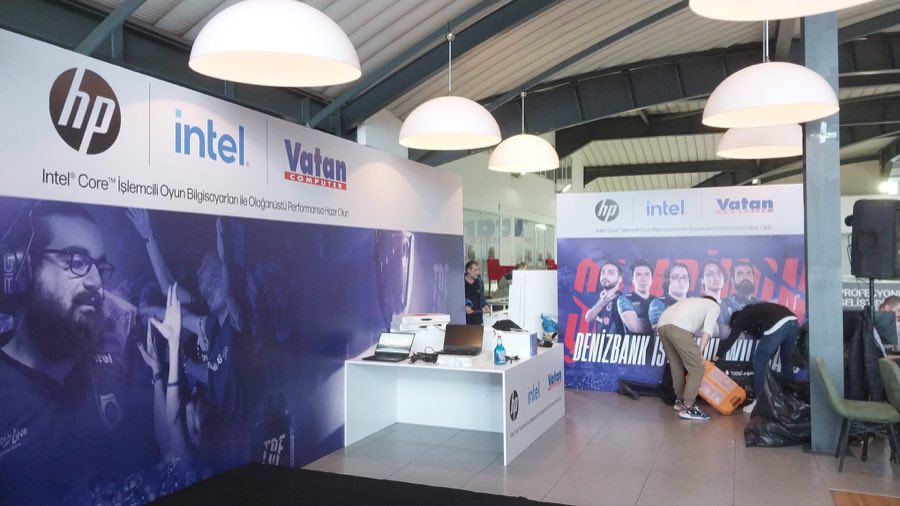
Event Registration and Check-in Systems
Online pre-registration, QR entry flows, badge printing models, data handling and the questions that expose a weak system.
An Event Production Glossary
Line array, monitor, wash, truss, backdrop, rider, clean feed: the terms that make technical meetings and quotes readable.
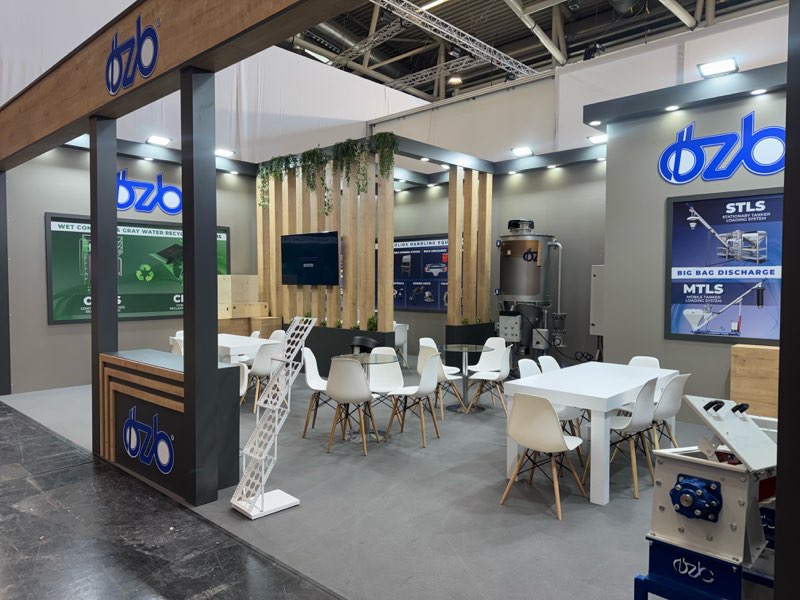
Exhibiting at German Trade Fairs
Early booking, strict technical rules, regimented build-up, an appointment-driven visitor culture and practical notes for exhibitors.
Corporate Year-End Party Planning
Booking against peak-season demand, keeping speeches short, designing the awards moment, inclusivity and the transport plan.
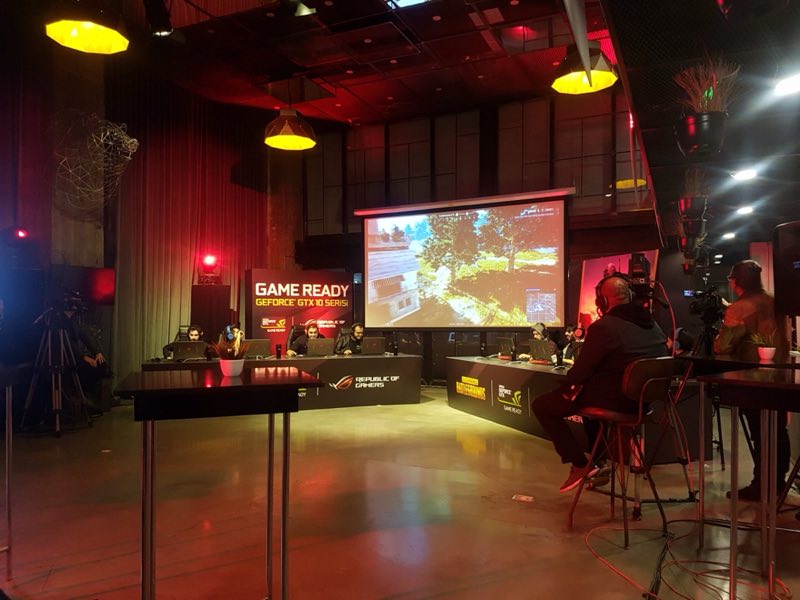
Employee Events That Actually Engage
Diagnose before you book: matching formats to team needs, participation rules that respect people, and measuring what worked.
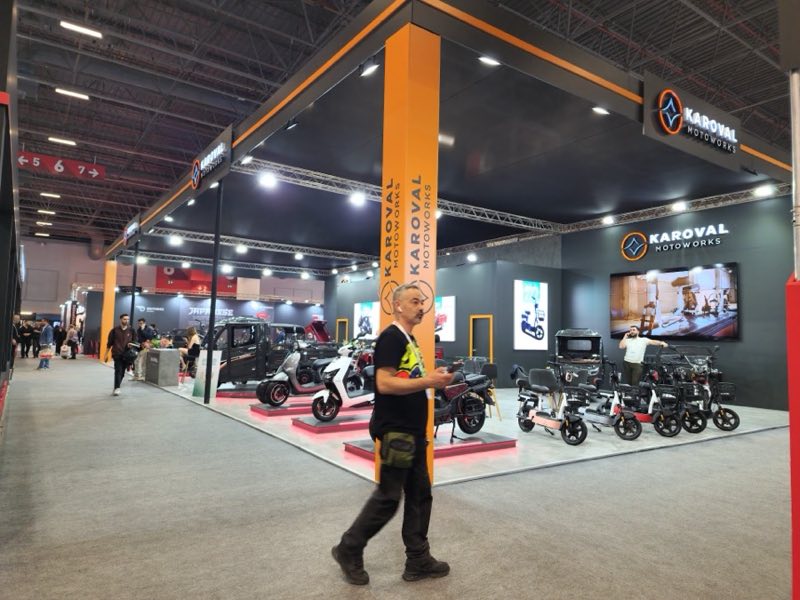
Exhibition Stand Lighting
Three lighting layers, colour temperature and CRI, backlit graphics, power planning and the checks that keep the stand bright.
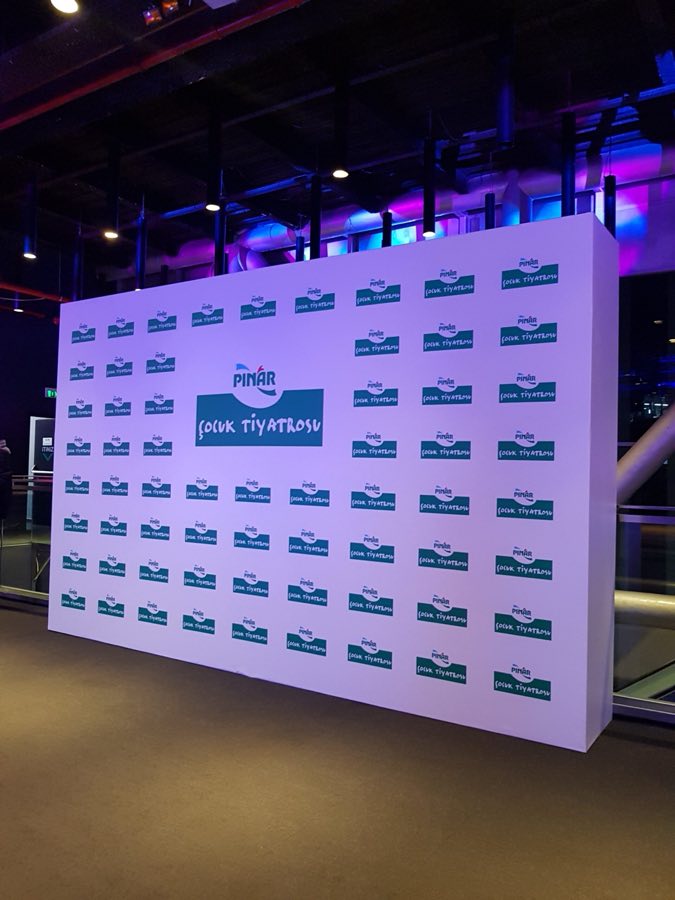
Organising a Press Launch
Journalists come for a story, not a party: timing, newsworthy content, the press kit, technical set-up and post-event media follow-up.
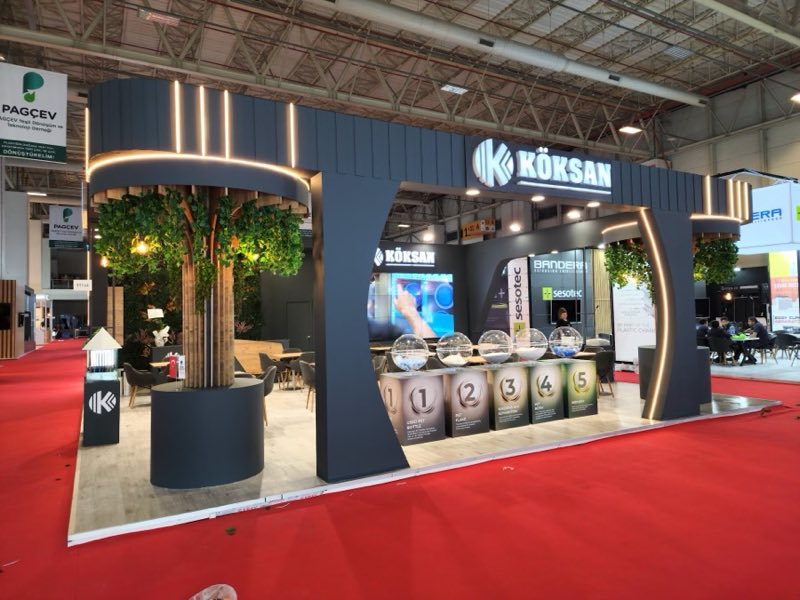
Small Exhibition Stands That Work
One message, vertical height, open frontage and ruthless prioritisation: design principles for small fair plots.

Event Safety and Emergency Planning
Crowd capacity, the minimum emergency plan, technical inspections, accessibility and the briefings that make plans real.
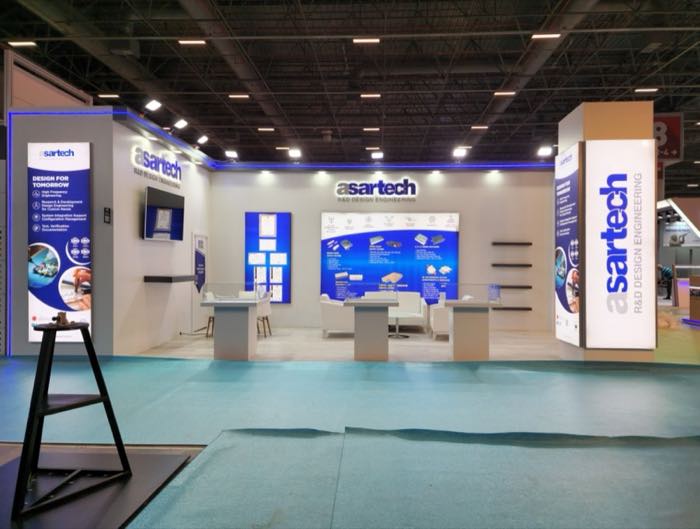
Sustainable Exhibition Stand Practices
Designing for multiple lives: reusable structures, undated graphics, the storage loop and the economics that justify it.
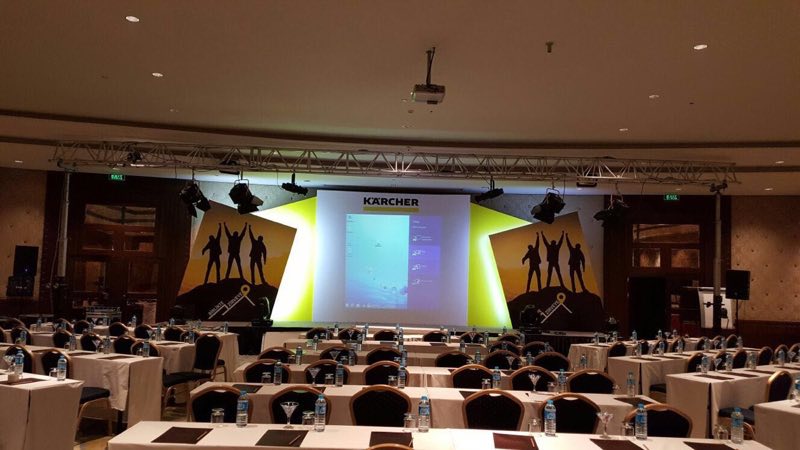
Sustainable Event Practices That Hold Up
Material choices, digital replacements, catering waste, transport planning and honest reporting — without the greenwash.
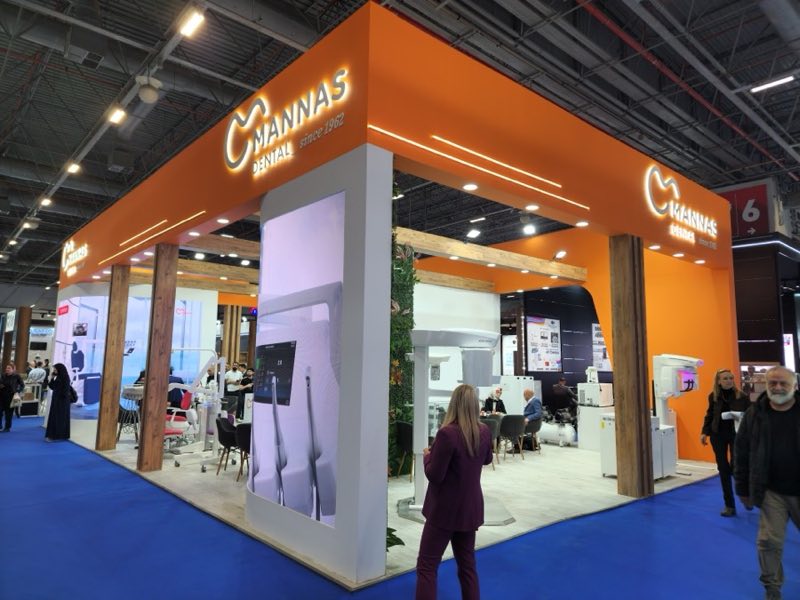
Technology on Exhibition Stands
Screens with purpose-built content, live demos, interactive stations wired to lead capture, and the infrastructure underneath.
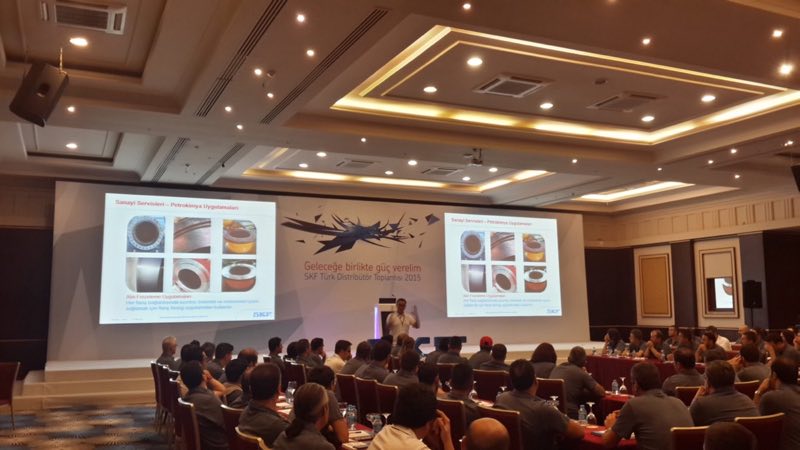
Choosing an Event Agency: What to Ask
Reference verification, quote scope, the on-site team, crisis history and handover terms — a question set that separates agencies.
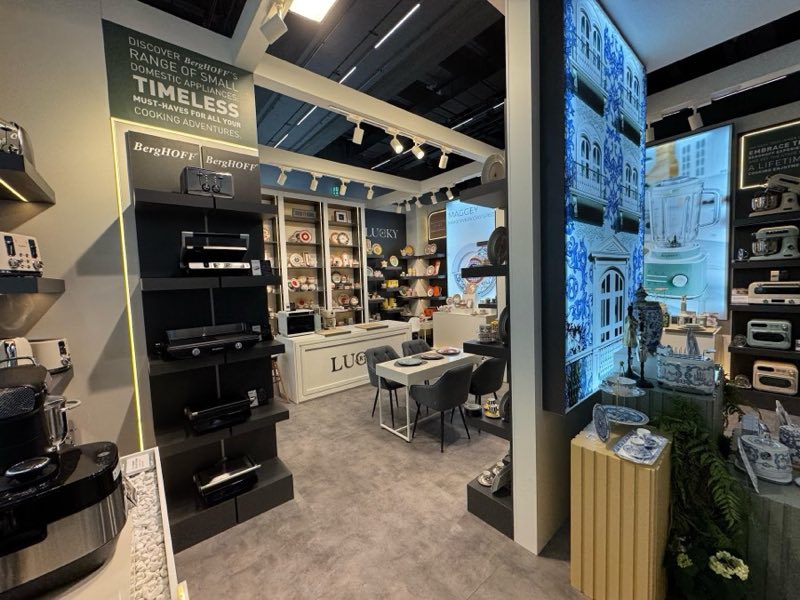
Pre-Show Marketing for Exhibitors
Target lists, a three-stage invitation campaign, an appointment system and the digital channels that fill a stand before doors open.
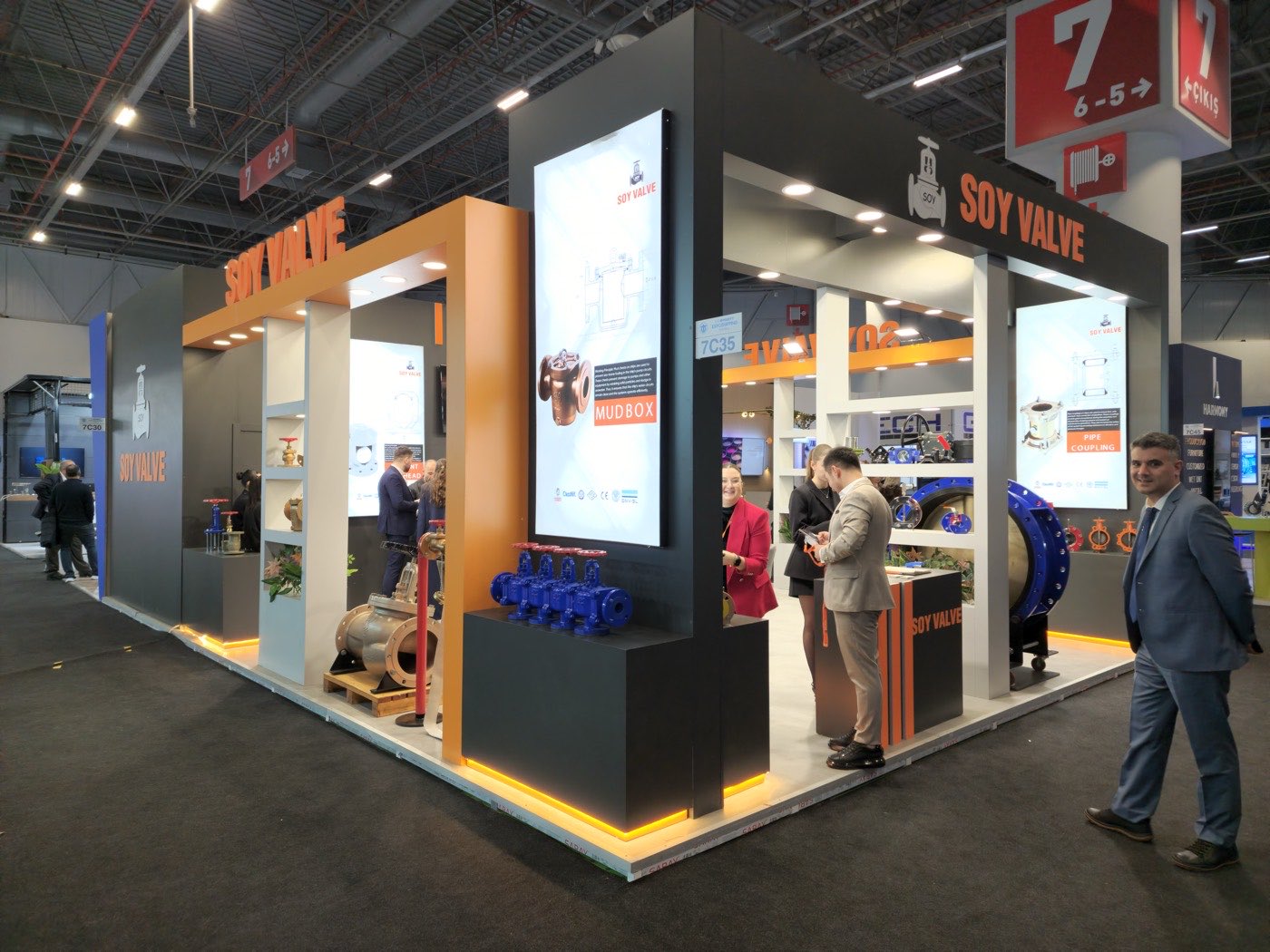
Stand Storage and Reuse Management
Labelled dismantling, the living inventory, storage conditions, the pre-fair maintenance pass and choosing a storage model.
Protocol Management at Corporate Events
The protocol list, greeting and escort discipline, seating logic, speaking order and the floor coordination that holds it together.
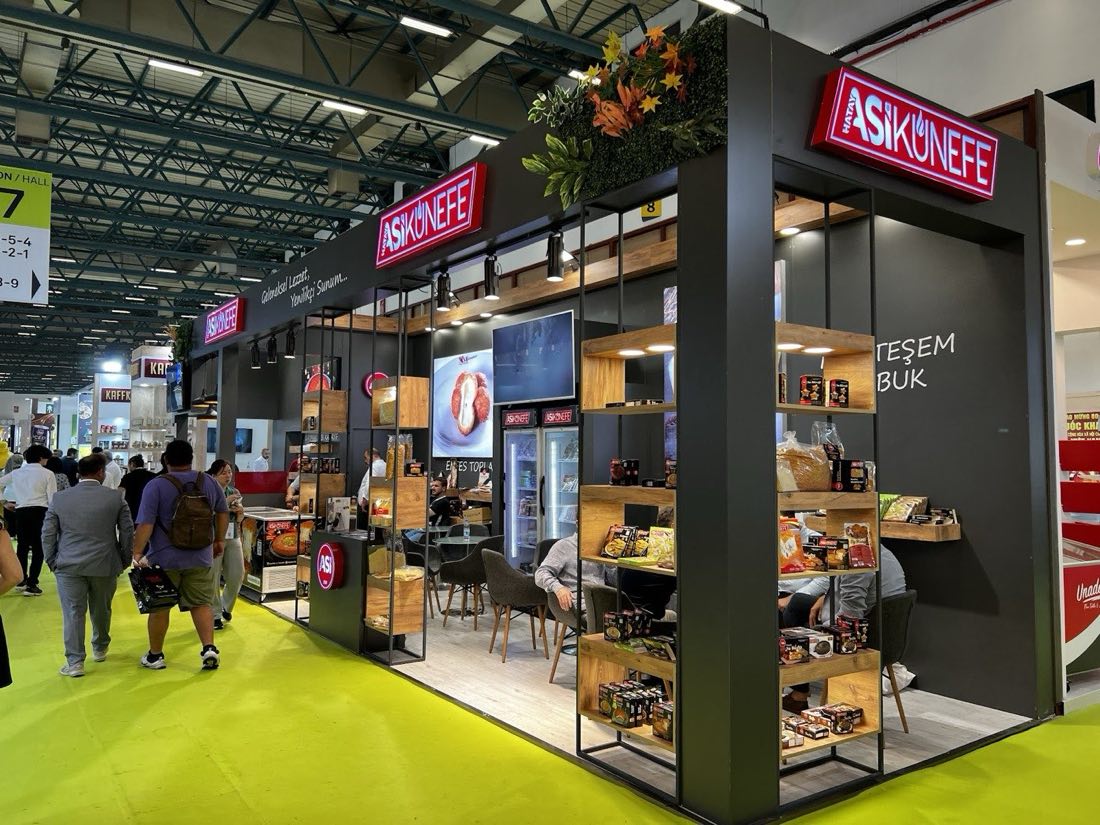
Stand Catering and Hospitality
Hospitality levels by objective, the service corner, fair rules on food and drink, and catering that deepens conversations.
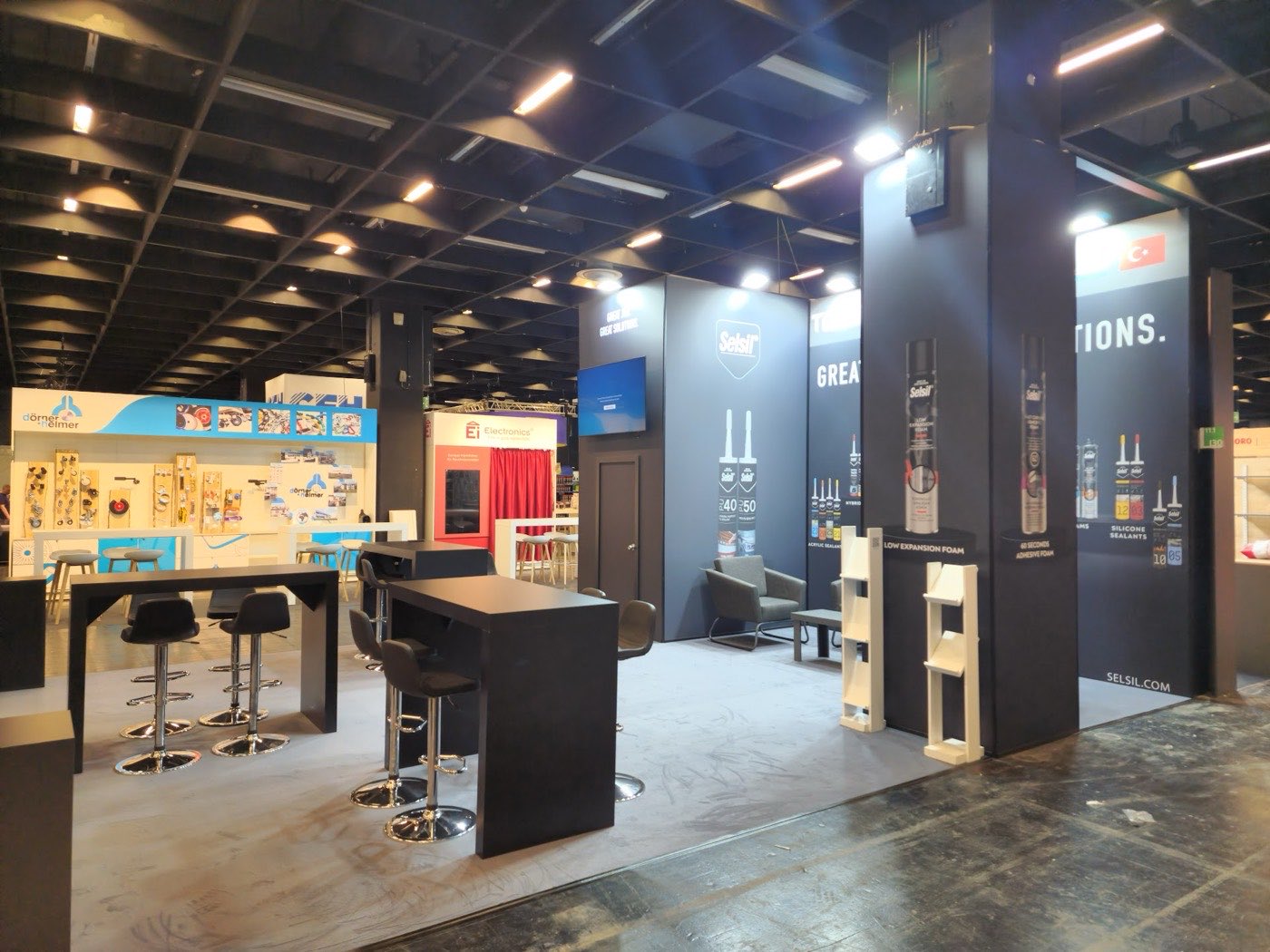
Stand Graphics: Message Hierarchy
The three-distance rule, text discipline, language choices, production checks and a graphics strategy built for reuse.
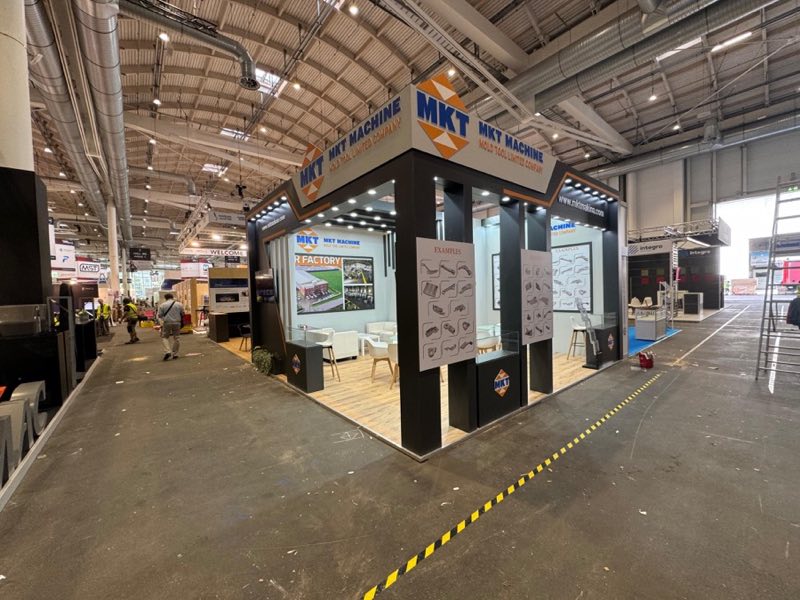
Annual Trade Fair Portfolio Planning
Assigning roles to fairs, managing calendar collisions, planning the stand asset across the year and the year-end review.