Small Exhibition Stands That Work
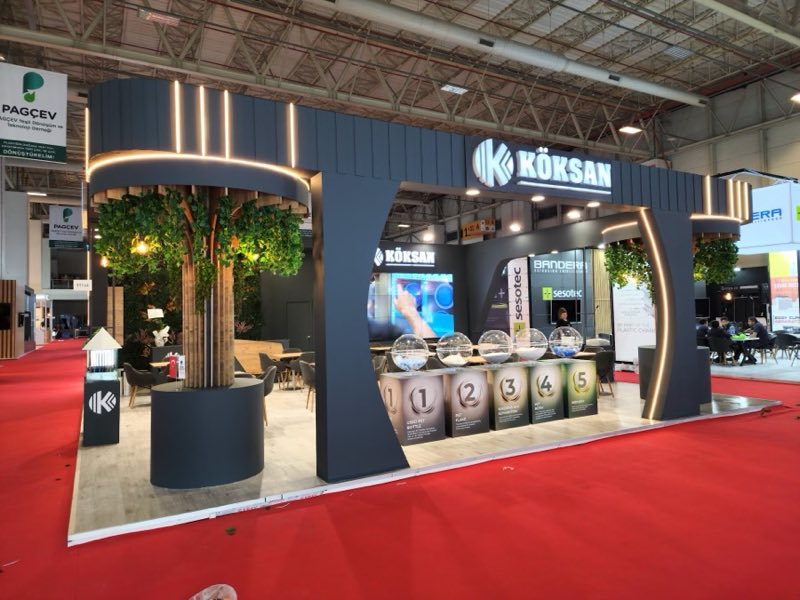
Small plots are the most common way to exhibit, and they reward a different design logic than large ones: selection and priority, not abundance. A small stand cannot do everything — which is precisely its discipline.
One message
A narrow frontage gives the passing visitor time for exactly one message: your strongest product or your clearest promise. Every additional headline divides the attention the first one earned. Ask "if this fair leaves one sentence in visitors' heads, which sentence?" — that is the fascia.
Build upward
Floor space is fixed; height usually is not (check the fair's limit). A tall back wall delivers visibility from far down the aisle, and backlit graphics multiply the effect. A stand that cannot grow in square metres grows in the vertical — towers, totems and raised logos are the small plot's reach.
Design for openness
- Open frontage — no desk barricading the entrance; the meeting point moves to the side
- Light floor and wall tones, which optically enlarge the space
- Curated display: a few products presented like a shop window, not a warehouse shelf
- A concealed storage cabinet, which erases the visible clutter that shrinks small stands
Prioritise the function
Every square metre gets one job: display, meeting or demo. If the plot cannot host two properly, cut one — two functions squeezed side by side both underperform. The fair's shared cafés are the small exhibitor's legitimate meeting rooms. Small teams need the same discipline: two or three people, planned shifts, compact catering that occupies no selling space.
Spend on quality, not quantity
At close range every surface is inspected, so materials show their grade more than on a large stand. The same budget spent on fewer, better square metres beats spreading it thin — and the identical rule applies to light: a small bright stand outshines a large dim one from anywhere in the hall.
Position and content tactics
Location matters more when you are small: corner plots with two open sides multiply visibility for the same rent, and aisles behind tall neighbours are cheap for a reason. Ask who your neighbours are before signing. On content: one main message, one product story, one call to action; a QR code to the digital catalogue instead of a brochure rack; one well-placed screen instead of three competing ones. Check the fair's aisle-encroachment rules — spilling into the corridor is the small stand's tempting, and usually fined, mistake.
Budget allocation on a small plot
Distribute a small budget by visibility yield: the back wall graphic and the lighting first, floor and furniture second, accessories last. Concentrating money in the lines that get seen beats spreading it evenly — and if a second fair is plausible, choose a reusable system on the first build; small exhibitors gain proportionally more from reuse economics than large ones, because the build is a bigger share of their total budget. Plan the operational details to the same scale: a two-to-three person team with real shift breaks, and hospitality compact enough to occupy no selling space.
For end-to-end support with your exhibition stand or corporate event — from design to on-site delivery — get in touch, or see our recent projects.