Applying Brand Identity to Events
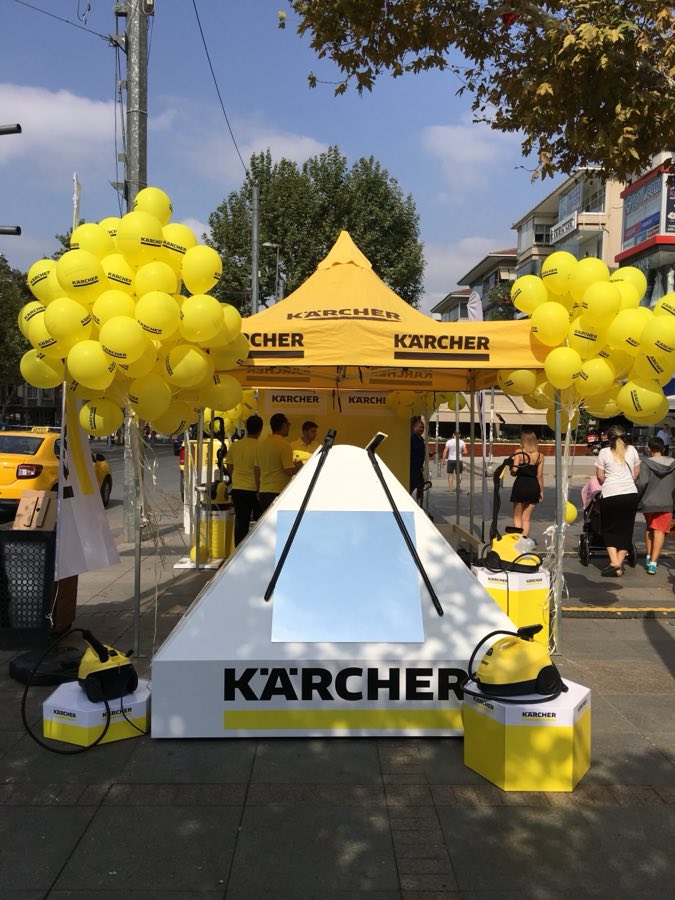
There is a difference between a brand being present at an event and being felt at one. A logo on the backdrop achieves presence. Feeling requires the event itself — space, content, hospitality, staff behaviour — to speak the brand's language. Guests forget logos; they remember how it felt.
Translate values into decisions
Take the brand's core values from the identity document and convert each into an event decision: innovation becomes interactive stations, quality becomes material and service standards, warmth becomes seating design and tone of address. Skip this translation and the brand's presence stays skin-deep, however many logos are printed.
Application surfaces
- Visual: palette, typography and even lighting colour aligned with the identity
- Audio: arrival music, announcement tone, sonic branding where it exists
- Hospitality: a catering concept that matches the brand's character — local, premium or pragmatic
- Print and digital: one design language from invitation to badge to menu card
- Scent: neutral or deliberate; never accidental
Staff are a brand surface
Everyone who touches a guest — welcome team, waiters, technicians — carries the experience. A short briefing sets the tone: formal or warm, quiet or energetic, how to address guests, how to behave when something goes wrong. Include supplier staff; guests do not distinguish payrolls.
Design three moments
Experience is remembered in moments, not averages. Deliberately design three: an arrival moment that sets expectations, a peak moment worth sharing, and a farewell moment that fixes the last impression. Assign each a distinct vehicle — space and people at arrival, stage content at the peak, a gesture at departure.
The consistency check
Before production, lay every material on one table — invitation, stage visual, badge, menu, signage — and judge them side by side; inconsistencies between suppliers surface immediately. Send the identity guidelines with the order, not with the complaint. On event day, walk a brand audit: wrong logo proportions, legacy materials, lighting drifted off-palette, and supplier logos appearing where the contract says they should not.
Close the loop
Add a perception question to the survey — "how well did this event reflect the brand?" — and scan shared photos for where the brand actually appeared. Those findings decide where the next event's identity budget is concentrated: spend where guests linger, economise where they merely pass.
Spend where the eyes stay
Prioritise the identity budget by dwell time: the welcome zone, the stage and the hospitality points hold guests for minutes; corridors hold them for seconds. Materials guests touch — invitations, badges, menu cards — justify quality upgrades because the hand notices what the eye forgives. Keep supplier branding out of sight contractually: equipment logos and caterer marks appearing in your carefully built environment are a silent identity leak, preventable by one clause. The digital layer obeys the same rules as the room — screens, waiting slides and lower-thirds pass through the identity team, because a strong physical build is undone by an off-brand PowerPoint in front of it.
For end-to-end support with your exhibition stand or corporate event — from design to on-site delivery — get in touch, or see our recent projects.