Product Launch Events: A Planning Sequence
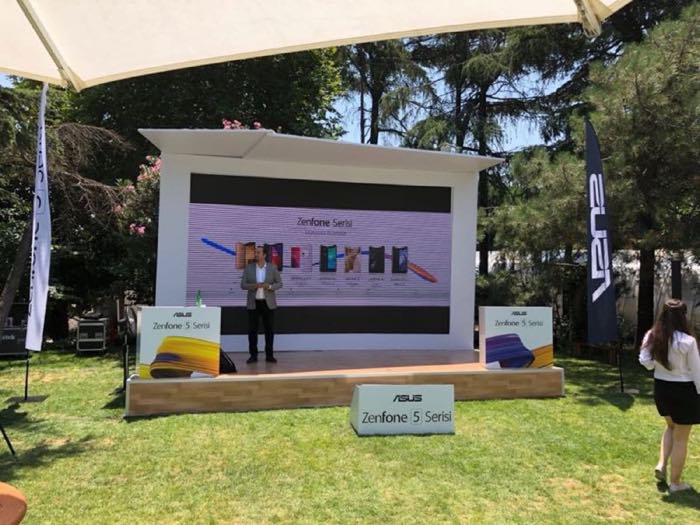
A launch event is the stage moment of a product's market entry. Planning starts with the message and does not end at the applause — the first hours after the reveal are part of the event.
1. One sentence, one message
Write the product's core promise as a single sentence and test every decision against it — venue, decor, flow, content. If the sentence is fuzzy, the stage will be too, and no production budget fixes a fuzzy message.
2. Audience and format
Press wants a short, newsworthy programme and a hands-on area. Dealers want commercial specifics. End users want interaction. A mixed guest list is workable if the programme is built in blocks, each aimed at one audience — a single undifferentiated programme serves none of them.
3. Design the reveal
Pick one staging device for the moment the product first appears — a reveal, a light cue, a video transition or a live demonstration — and rehearse that single device until it is boring. Five stacked effects are technically riskier and less effective than one clean moment.
4. Demo risk management
If the demo is live, take three precautions: choose the most stable demo scenario rather than the most spectacular; keep a recorded backup ready at show control; and script the presenter's bridge line for the failure case. If the audience never notices the switch to backup, there was no crisis.
5. Confidentiality
When surprise matters, secrecy is an operational discipline: the product stays covered backstage, the hall closes during rehearsal, suppliers sign NDAs, and the no-photo rule in the build area is announced, not assumed. One innocent crew post can spend months of communications planning in a night.
6. The experience area
After the stage moment, guests want to see, touch and ask. Plan enough space and knowledgeable staff per product station, and build corners designed to be photographed — the event's social reach largely produces itself there.
7. Content production
Give photo and video teams a shot list: the reveal, product details, guest density, executive portraits. Have a first social-ready selection before the event ends; a launch published the next day has lost most of its energy.
8. The first hours after
The stage announcement must be synchronised with every other channel: sales teams briefed the same day, website updated, press kit live. Thank attending media with complete materials and send the summary to those who could not come — both within two days.
Who owns what on launch day
The minimum ownership set: one overall coordinator holding the run sheet, one stage-and-show-control liaison, one press greeter managing the interview schedule, one experience-area owner, one social content owner. Add the unglamorous role that is most often orphaned: preparing the product itself — placement, cleaning, working condition. It falls between the product team and the event team, and unowned it becomes the last-minute panic. Write the names on the morning briefing sheet. Measure the day against three data sets agreed in advance: attendance actuals, in-event interactions at the experience stations, and the spread — coverage, reach, first-week enquiries through sales channels.
For end-to-end support with your exhibition stand or corporate event — from design to on-site delivery — get in touch, or see our recent projects.