Event Production Basics: Sound, Light, Video
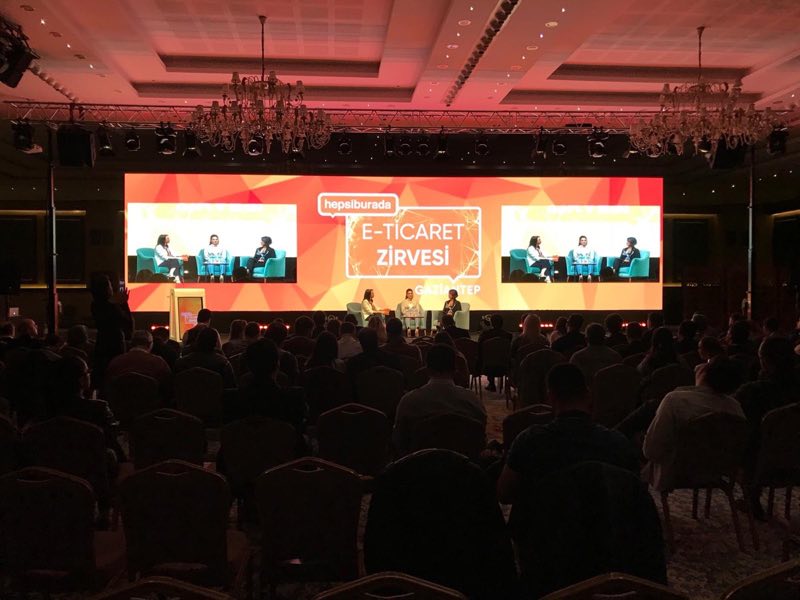
Technical production covers sound, lighting, video and staging as one integrated plan. You do not need to operate any of it — but knowing the decision points makes your briefs sharper and your quote comparisons honest.
Sound
The goal is even coverage, not volume. For speech-led events, plan lapel and handheld microphones with spares; for anything musical, add stage monitors. The one question worth asking your sound engineer: "where are the dead zones in this room, and how do we treat them?" If the event is being recorded or streamed, take a clean feed from the mixing desk — a camera microphone pointed at the PA is not a recording.
Lighting
Lighting does two different jobs: making speakers clearly visible without shadows, and building the room's atmosphere. Both need planning. If video is being shot, review the light plan against camera requirements — a room that looks fine to the eye can be underexposed on camera. On a tight budget the order of priority is: speaker lighting first, then video, then decorative colour.
Video and screens
Daylit rooms defeat projectors; LED walls are the answer there. On LED, pixel pitch must match viewing distance — the closer the audience, the finer the pitch needs to be. Tell content creators the exact screen ratio early; a 16:9 deck stretched onto an unusual LED shape is a preventable embarrassment.
Staging
Stage height, step positions, cable routes and the backstage crossover are simultaneously safety and flow issues. Design the set together with the equipment layout, or the cameras and lights will end up fighting the scenery.
Show control
Sound, lighting and video meet at the control position — ideally rear-centre of the room with clear sight of the stage. Seat someone from the event team next to the operators with the run sheet, calling what comes next. Smooth transitions are made by those two people whispering, not by luck.
Rehearsals
- Technical rehearsal: every system tested in sequence
- Content rehearsal: presentations run from the actual show machine
- Full run-through: the event executed in real time, from opening to close
Reading quotes
Compare quotes by questions, not equipment lists: is this system sufficient for this specific room, what redundancy is included, how many crew are coming, how long are build and rehearsal? The cheapest quote is usually the one with no spares and a single technician — the risk does not appear on the page, but it shows up on site.
The technical survey agenda
Do the survey with both the venue and your production supplier present, and work a fixed agenda: distribution-board capacity and socket positions, ceiling height and the load limits of rigging points, loading-door dimensions and lift capacity, room acoustics and sound bleed to neighbouring spaces, connectivity, and where show control will physically sit. Close the survey with a written report — the quote and the build plan both hang on it, and a quote issued without a survey is a quote with surprises priced in later. On build day, sequence by dependency: rigging before decor, sound and light tuning after decor, content checks last, and finish with an acceptance walk where every system runs once in show order.
For end-to-end support with your exhibition stand or corporate event — from design to on-site delivery — get in touch, or see our recent projects.