Choosing an Event Agency: What to Ask
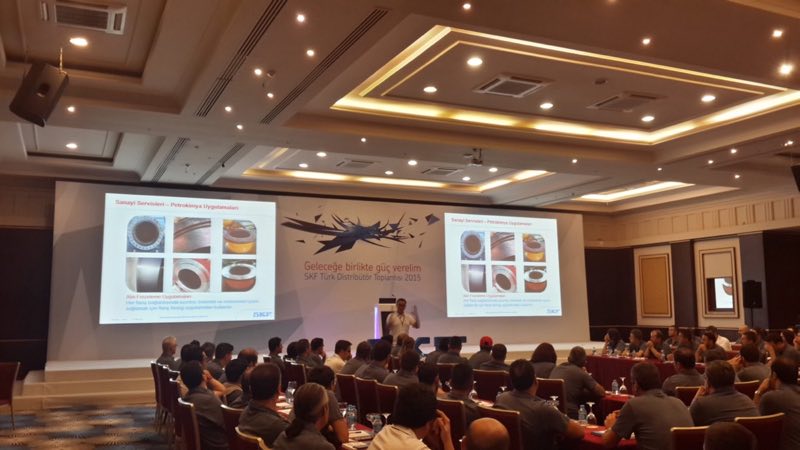
Agency pitches are uniformly polished; the differences show up in how concretely questions get answered. Evaluate candidates on the same question set and compare answers, not presentations.
Experience and references
"Show us work at our scale and of our type." Not a logo wall — specific comparable projects, with photographs and, ideally, permission to contact the client. "Who exactly will be on our project?" The pitch team and the delivery team are often different people; get the project manager's name before you decide, not after.
Scope transparency
"What does this quote include — and exclude?" Vague lines return later as additional invoices; do not compare quotes until scopes match. "Which work is in-house and which is subcontracted?" Subcontracting is normal; concealing it is not — responsibility tracking depends on knowing. "What reporting will we get, how often?"
The on-site reality
"How many people on the floor on event day, led by whom?" Written into the contract. "Tell us about something that went wrong recently, and how you fixed it." An agency that claims nothing ever goes wrong is either inexperienced or editing; the useful answer is a concrete failure story with its lesson. "How do you build plan B?" Expect specific answers for weather, technical failure and programme overrun.
Working style
"What do you need from us to understand the brand?" Good agencies open with a brief request and questions; an instant concept is a recycled concept. "What do you hand over at the end?" Report, image archive, debrief meeting — closure belongs in the contract too.
Run the process fairly
Send all candidates the same brief on the same day — including the budget range; briefs without budgets produce incomparable guesses — and share Q&A answers with everyone. Score on one table: scope clarity, reference fit, floor team, reporting, price. Price alone is a trap: the lowest number with the thinnest scope is routinely the most expensive outcome.
Contract and relationship
Fix in the contract: deliverables list, revision rights, payment schedule, cancellation terms, subcontractor responsibility, insurance and intellectual property in the designs. For working rhythm: weekly status, one point of contact each side, defined approval turnaround. Start the relationship with a small project before an annual commitment — and close every project with a written two-way evaluation. If you ever change agencies, a contractual handover protocol (documents, supplier contacts, work in progress) is what makes the transition survivable.
Right-size the selection process
A full tender for every job burns time on both sides. Build an approved-supplier list for small recurring work — meetings, minor receptions — and rotate within it, reviewing performance notes yearly; reserve the complete question-set process for strategic, high-budget events. Whatever the scale, close every project with a written two-way evaluation shared with the agency: delivery against quote, budget discipline, floor management, communication, crisis behaviour. One-way notes improve nothing. If a change of agency ever comes, the handover protocol in the contract — documents, supplier contacts, work in progress — is the difference between a transition and a restart.
For end-to-end support with your exhibition stand or corporate event — from design to on-site delivery — get in touch, or see our recent projects.