An Event Production Glossary
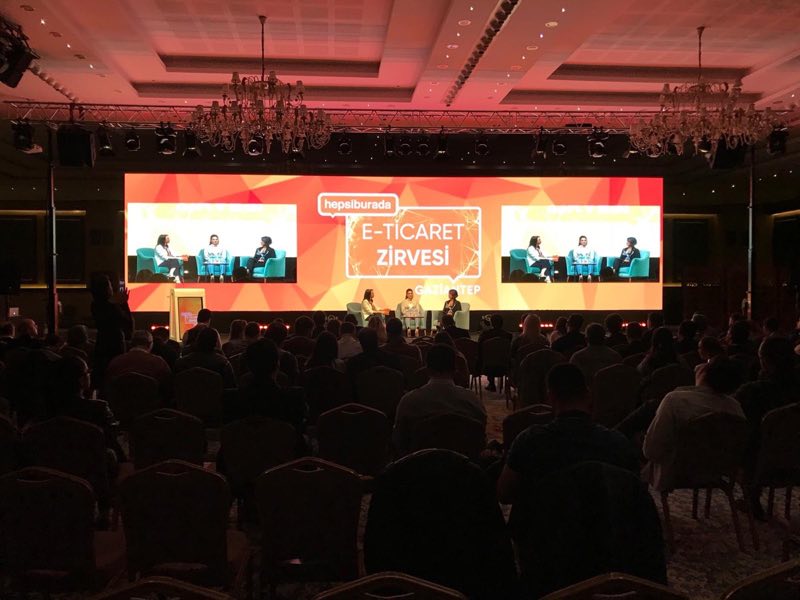
Production meetings run on jargon. Knowing the core terms strengthens your briefs, speeds up decisions on site, and — most practically — lets you read a technical quote line by line instead of trusting the total.
Sound
- Line array: the vertically hung speaker column that delivers even coverage in large rooms
- Monitor: the stage-facing speaker that lets presenters and performers hear themselves
- Lapel / headset mic: hands-free options; headsets stay stable on mobile speakers
- Mixing desk: where every sound source is balanced and routed
- Soundcheck: the pre-event audio test; a non-negotiable rehearsal step
- Clean feed: direct audio from the desk for recording and streaming — the alternative to a camera mic pointed at the PA
Lighting
- Moving head: a programmable fixture with motorised direction, colour and pattern
- Wash: broad, soft coverage of an area
- Spot: narrow-beam emphasis — what separates the speaker from the scenery
- Ambient lighting: the room's atmosphere layer, usually in brand colours
- Lighting cues: pre-programmed scene changes tied to the run sheet
Stage and video
- Truss: the aluminium lattice that carries lights and sound overhead
- Backdrop: the stage's rear surface — print or LED
- Pixel pitch: the distance between LED pixels; smaller numbers mean sharper close viewing
- Lectern: the speaker's stand, usually branded
- Show control / FOH: the position where sound, light and video are operated
Process terms
- Technical rider: a performer's or speaker's stage requirements list
- Site survey: the pre-build technical inspection of the venue
- Load-in / load-out: moving equipment into and out of the venue
- Full run-through: the final rehearsal, executed in real time and real order
Using the vocabulary
Quotes written in these terms can be compared line by line: speaker system type and count, microphone types, fixture counts by category, screen size and pixel pitch, truss metres, crew numbers and hours. When two quotes differ in price, the explanation is usually in these lines — one includes spares and a second technician, the other does not. On site, the same vocabulary buys speed: "the lectern spot is casting shadows" gets fixed faster than a description. And a supplier who avoids explaining their terms is telling you something about how the communication will run on show day.
Putting the vocabulary to work
Share the glossary beyond the production meeting: the event owner's team, the host and the content producers all move faster when briefs and rehearsals use one vocabulary. Fold it into onboarding for new team members, and extend it whenever a quote or contract introduces a term — ask the supplier for a written explanation and add the entry. Over a few seasons the document becomes the company's own production dictionary and a quiet quality control: run sheets that name their cues precisely (lighting scene numbers, microphone handoffs, content switches) are executed precisely, because show control runs on exactly that language.
Two terms worth adding to any working list: DSM (deputy stage manager — the person calling the cues where that role exists) and advance (the pre-event exchange of technical requirements between production and venue). Both mark suppliers who run structured shows.
For end-to-end support with your exhibition stand or corporate event — from design to on-site delivery — get in touch, or see our recent projects.