Organising a Press Launch
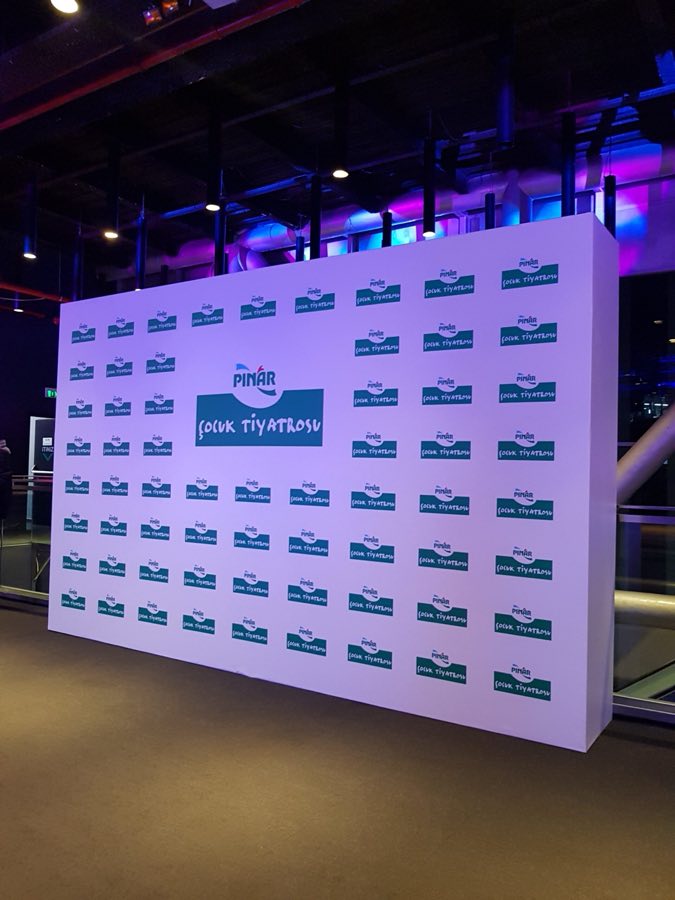
A press launch is unlike other corporate events in one decisive way: the guest is there to produce a story. Every organisational decision should make the journalist's job easier — short programme, clear message, usable material, fast delivery.
Timing that respects newsrooms
Weekday mornings or midday, a main programme under an hour, starting exactly when announced. Journalists have other commitments the same day; a late start costs attendance and goodwill in equal measure.
Content with news value
Build the stage content around one headline-ready sentence. Corporate history and general brand praise produce no copy; a clear announcement, supporting data and strong visuals do. Q&A is mandatory and never trimmed for time — a launch that dodges questions undermines its own announcement. The executive who can answer hard questions must be in the room, prepared, and available afterwards.
Prepare the speakers
Brief stage executives for the press format: the three-sentence core message, anticipated difficult questions with response frames, and the boundary of what will not be discussed. If a sensitive company topic is in the news, assume the question is coming and prepare an honest, short frame — "no comment" generates its own story. Route all press questions through the designated spokesperson; remind the wider team of that rule.
The press kit
- A ready-to-publish press release
- High-resolution product and event images
- Executive biographies and speech summaries
- Everything reachable through a single link — a QR code at the venue is the practical delivery
Serve a first batch of images before the event ends; a journalist filing for tomorrow's edition decides by delivery speed.
Technical set-up for media
A camera platform with a clean line to the stage, audio feeds from the desk for recorders, lighting planned for broadcast quality, and a branded, quiet interview corner with a managed schedule. Track accreditation at the door — the attended/absent list drives the follow-up.
After the event
Thank attendees with complete materials; send the same kit to absentees the same day. Compile coverage with dates and outlets — that clipping report is the launch's measurable output. Handle factual errors in coverage through a polite one-to-one with the journalist; public corrections cost more than they fix. Keep the media list alive between launches: who attends, who covers what, which outlet responds to which story — the list's accuracy is next launch's attendance.
The media list is the asset
Attendance is decided by list quality: the journalists who actually cover your sector, the editors of the outlets that matter, refreshed every launch as people change desks and outlets close. Personalise the follow-up after the bulk send — priority outlets get a one-to-one touch. Record attendance history: who came, who covered, which outlet responds to which kind of story; that memory sharpens every future list. Offer a remote lane for media who cannot attend — a stream or same-day recording with the kit — since out-of-town and international press are often the coverage that matters most. Broadcast-grade sound and picture are the price of that channel producing usable material.
For end-to-end support with your exhibition stand or corporate event — from design to on-site delivery — get in touch, or see our recent projects.