Protocol Management at Corporate Events
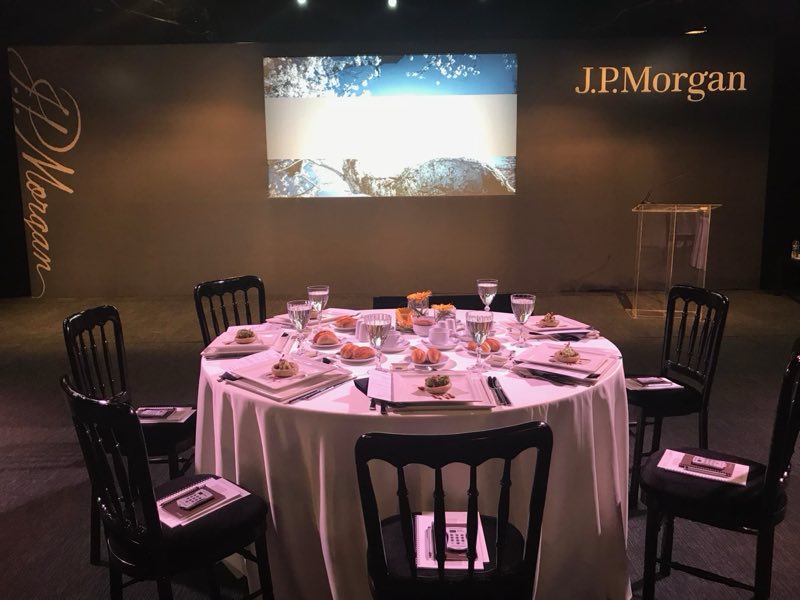
Protocol is invisible to most of the room and intensely visible to the people it concerns. Done right, nobody notices — which is the goal. It rests on three documents: a verified protocol list, a greeting and escort plan, and the seating and speaking order.
The protocol list
Names, current titles, organisational hierarchy, special notes. Title changes are the most common failure, so re-verify the list in event week. Give the host written pronunciation notes for every name and title; check on-screen name spellings separately. Keep blank name cards in reserve for the inevitable late change.
Greeting and escort
Senior guests are met at the door, by someone whose seniority matches theirs. Assign each key guest an escort — someone who knows the programme and the building, and solves needs quietly. Vehicle reception and valet priority belong to the same plan. A senior guest left standing alone is the most visible protocol gap there is.
Seating logic
Protocol seating follows hierarchy: the most senior guest at the host's right, ranks descending outward from the centre. Where corporate and guest hierarchies collide, the host organisation's precedent applies. For events involving public officials, follow official precedence and confirm doubtful cases with the relevant protocol offices — and coordinate arrival, seating and departure with their own teams.
Speaking order and time
Speaking order runs in reverse hierarchy: hosts and juniors first, the most senior guest last. Communicate durations in advance and build the flow to protect them — a senior guest kept waiting by an overrunning programme is the most public protocol failure, so pad the schedule accordingly.
Floor coordination
On the day, protocol is not a one-person job: door greeting, room guidance and stage coordination each need an assigned person, connected by radio. Track each listed guest's status — arrived, greeted, seated. Late changes to the speaking order (an absent guest, a delayed speaker) are managed live between the protocol lead, the host and show control; test that communication line at rehearsal.
The file, and the principle
Compile one protocol file — list, seating, greeting assignments, speaking order with announcement scripts, vehicle plan — version it from one authority, and archive it afterwards; recurring guests' preferences become institutional memory. And when a rule collides with a guest's comfort, choose the solution that embarrasses nobody: protocol exists to express respect, not to win arguments about itself.
Internal hierarchy needs the same care
External protocol gets the attention; internal protocol produces the longer-lived resentments. Board seating, stage order and announcement style follow the organisation's own precedent, and newly appointed executives take their correct place on an updated list — an announcement made from last year's org chart echoes internally far longer than any external slip. For ambiguous cases, executive assistants are the fastest verification channel. Compile everything into one versioned protocol file — list, seating, greeting assignments, speaking order with scripts, vehicle plan — distributed from one authority and archived afterwards; recurring guests' preferences become institutional memory that makes every next event safer.
For end-to-end support with your exhibition stand or corporate event — from design to on-site delivery — get in touch, or see our recent projects.