Event Photography and Video Planning
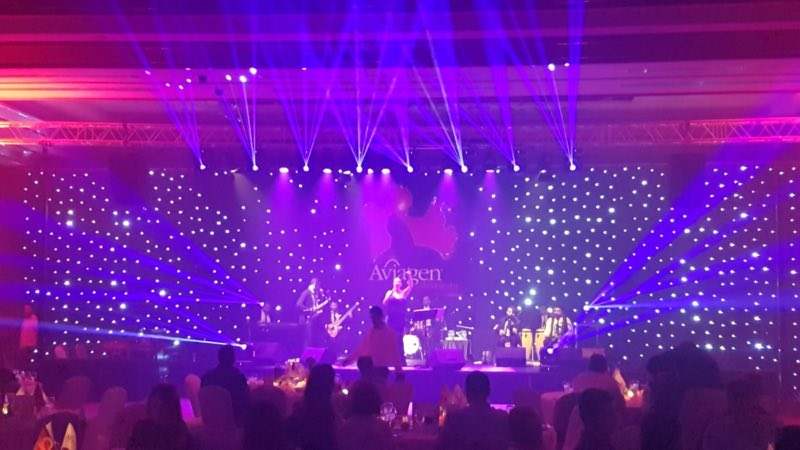
The event lasts hours; the images last years. Website, social channels, presentations, press kits and next year's invitation all draw on this one archive — which is why coverage deserves a written brief, not a photographer told to "capture everything".
The shot list
- Venue and decor, empty and perfect, before doors
- Arrival and registration moments
- Stage: every speaker, every award handover, every performance
- Wide room shots and genuine conversation moments
- Executive portraits and group photographs
- Brand surfaces: logos, decor details, hospitality
Flag the unmissable moments with their run-sheet times — the reveal, the award announcement — and note protocol positioning rules for formal group shots.
Video: format follows purpose
There is no generic "event video"; there are purposes. A full-length recording for the archive, a short energetic cut for social, atmosphere footage for the next event's promotion. Decide the formats before the shoot so the crew collects the right material. For any speech capture, take clean audio from the mixing desk — room-mic recordings are unusable, and this single line in the brief saves more content than any camera upgrade.
Crew coordination
The crew gets the run sheet in advance and talks to the lighting team before doors: room light levels decide picture quality, and exposure is set before the big cue, not during it. Restrict flash during the programme. Scale the crew to the geography — parallel spaces need parallel coverage, and one photographer cannot be at the stage and the experience area at once.
Live sharing without bottlenecks
If content is publishing during the event, build the pipeline: a fast handoff from photographer to content owner, pre-approved framing rules for what may and may not be posted, and scheduled posting moments. Live content that queues behind an approval chain publishes after the audience has gone home.
Delivery and rights
Put in the contract: first-selection timing (same-day for social is a standard ask), full-archive delivery date, resolution, usage rights and retention. For attendee images, handle consent through the invitation or entry notice — essential wherever photos go public.
The archive as infrastructure
File by event and date, keep selection subfolders, mark usage-permission status. When next year's content plan is being built, search the archive before commissioning new shoots — the unused half of last year's coverage is usually the cheapest content you own.
Scale the crew to the geography
One photographer cannot cover a stage and an experience area simultaneously; parallel spaces need parallel coverage, so crew size follows the floor plan. Give the crew the run sheet with the unmissable moments flagged by time, connect them with the lighting team before doors, and restrict flash to planned moments. For live publishing, pre-approve the framing rules and build the handoff pipeline so content moves without an approval queue. Afterwards, run the archive as infrastructure: filed by event and date, selections separated, usage permissions marked — and searched before any new shoot is commissioned, because last year's unused half is the cheapest content the company owns.
For end-to-end support with your exhibition stand or corporate event — from design to on-site delivery — get in touch, or see our recent projects.