Event Catering Planning: Format to Service
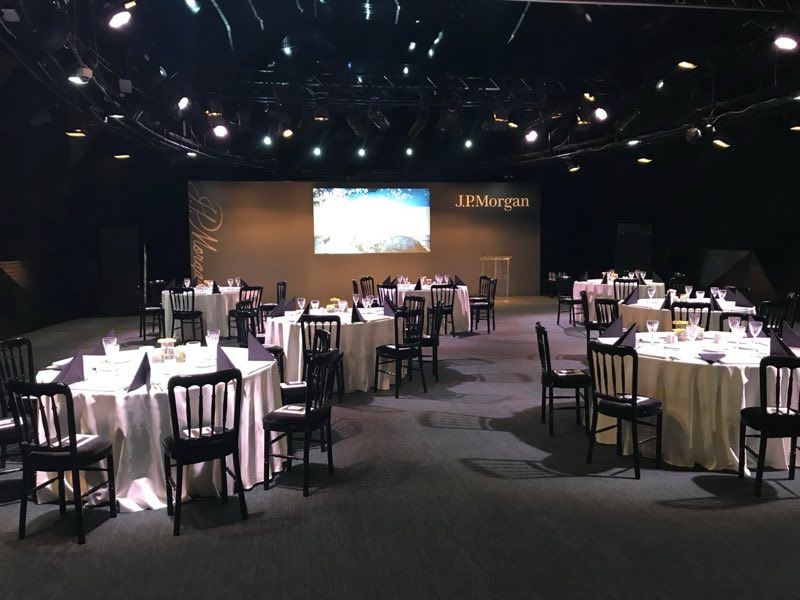
Catering planning comes down to four decisions — service format, menu, service organisation and supplier terms — and all four must be made against the programme flow, not in isolation.
Service format
Seated service suits galas and award nights; it requires a table plan and a higher staff ratio. Standing receptions keep people moving and suit networking goals. The hybrid — reception on arrival, seated main course — is often the right compromise. Decide early: the format drives room layout and staffing numbers.
Menu around the guest profile
Menus are designed for the audience, not the chef. International guests appreciate a considered selection of local cuisine; dense programmes call for lighter mains. Plan three groups on every menu:
- Vegetarian and vegan alternatives
- Dishes flagged for allergens
- Options compatible with religious dietary requirements
Ask for dietary preferences on the RSVP form — it is the only way the kitchen gets real numbers. Hold a tasting before you sign, and judge portion size and presentation as much as flavour.
Staffing ratios
Service speed is a function of staff numbers. Put the ratios in the quote: waiters per table for seated dinners, trays circulating at receptions, attendants per station at buffets. Coffee breaks need station counts matched to headcount — a single station turns a break into a queue.
The beverage model
Choose between an unlimited package and consumption-based billing according to audience and duration. In the consumption model, fix the counting method in the contract. Give non-alcoholic options equal design attention, and never economise on coffee quality — it is the last taste of the evening.
Timing against the programme
Match the service plan to the run sheet minute by minute: no plate clearing during speeches, mains served in stage breaks. Confirm final numbers, service times and the table plan in writing during event week, and pre-agree a flex percentage for late headcount changes.
Site details
If the kitchen is far from the hall, the menu must respect the transport time — some dishes do not survive the journey hot. Plan separate catering for speakers and crew. Staff dress should match the event's tone. Agree in advance what happens to surplus food; donation arrangements are both responsible and increasingly expected.
Menu engineering and service time
Every course has a service-and-clear duration, and the programme must absorb it: a three-course seated dinner fixes its own timetable, so mark the service blocks in the run sheet before placing speeches. Cocktail menus obey a different physics — everything must be eatable standing, one-handed; anything requiring a fork does not belong on a passed tray. Buffets queue at the rate of their stations: separating mains, salads and desserts moves a room several times faster than one heroic line. Check the supplier's registration and hygiene certificates at contract stage, compare hot-chain needs against the venue's kitchen, and confirm allergen labelling appears on buffet signage as well as menus — and that the caterer retains food samples, which is standard professional practice.
For end-to-end support with your exhibition stand or corporate event — from design to on-site delivery — get in touch, or see our recent projects.