Exhibition Stand Staff: Selection and Briefing
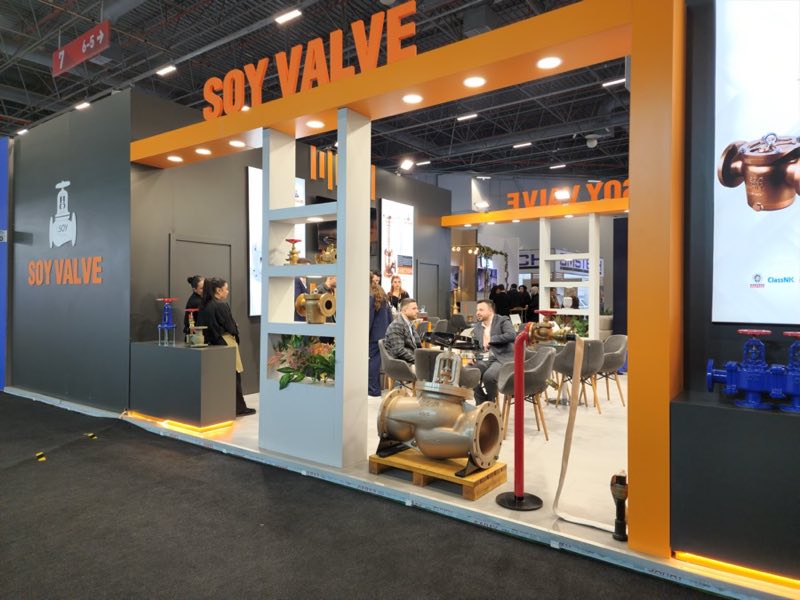
Visitors approach a stand for its design and stay for its people. Every commercial outcome of the fair — conversations, leads, relationships — happens through the stand team, which makes staffing the least glamorous and most decisive line of the fair plan.
Team composition
A balanced team covers three functions: product specialists for technical questions, commercial staff for business conversations, hosts for welcome and triage. Size the team to the stand and expected traffic, and plan shifts around peak hours — a single crew running all fair days measurably fades by day three, and the visitors on day three paid the same entrance fee as everyone else.
The pre-fair briefing
- Goals: the priority message, the products to push, the target visitor profile
- The welcome flow: opening contact, qualifying questions, routing to the right specialist
- Lead discipline: what gets recorded, on what tool, immediately after each conversation
- House rules: dress standard, phones, eating on stand
- Competitor awareness: who else is exhibiting, what comparison questions to expect
- Rotas: who, when, in which role
Add role-specific preparation: demo scripts for product specialists, offer frameworks and pricing authority for commercial staff, welcome scripts and form practice for hired hosts — who, being external, need the brand briefing most of all.
Floor behaviour
Visitor behaviour is predictable: staff on phones, huddled in conversation or blockading the entrance push people past; open posture and ready eye contact draw them in. These standards live through repetition — a five-minute morning huddle each fair day does more than the best one-off briefing. Keep the discipline in quiet hours too; qualified visitors do not check the traffic level before walking over.
Language and culture
At international fairs, plan at least one team member speaking the target market's language, or a professional interpreter. A short written note on local business etiquette — greetings, business cards, appointment habits — costs little and reads as respect.
Watch the data, close the loop
Track daily conversation and lead counts — for correction, not competition: a dip in record quality earns a briefing refresher, a mis-forecast rush earns a shift change. On closing day, debrief while memory is fresh: commonest questions, products that pulled, gaps visitors named, competitor observations. Write it down and send it to marketing and product teams. The stand crew has held the market's pulse in their hands for three days — that intelligence is the fair's least-invoiced deliverable, and it evaporates in a week if nobody captures it.
Stamina is a plan, not a virtue
Fair performance is physical: long standing days reward proper footwear standards, a backstage sitting corner, water and meal logistics, and off-stand breaks built into the rota. Book accommodation within reasonable reach of the fairground — a long commute taxes the first and last hours of every day, which are exactly the hours that meetings cluster in. Balance evening client dinners against the rota; three late nights in a row present the fourth morning's visitors with a diminished team. None of this is pampering: the marginal conversation on day three is won or lost on logistics decided weeks earlier.
For end-to-end support with your exhibition stand or corporate event — from design to on-site delivery — get in touch, or see our recent projects.