Stand Catering and Hospitality
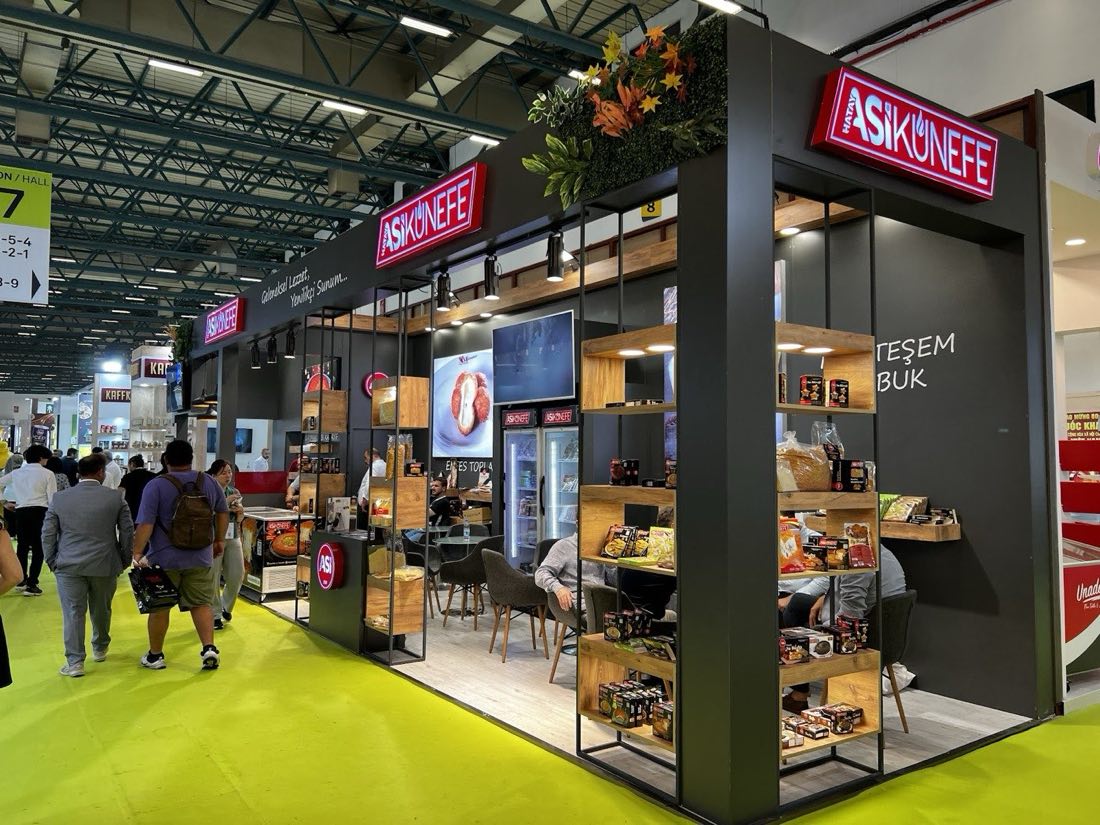
A fair is a marathon on concrete, for visitors too. A good coffee at the right moment lengthens conversations and softens rooms — stand hospitality, planned properly, is a commercial instrument wearing good manners.
Choose the level deliberately
- Baseline: coffee, tea, water and snacks — every stand's minimum courtesy
- Meeting-focused: served hospitality in the seating area, planned for appointments
- Experience-led: a barista, fresh preparation, a signature refreshment — hospitality as a destination
Match the level to the objective and the stand size. In the food sector, hospitality is the product: the tasting station becomes the stand's main stage and runs under its own hygiene, portion and presentation plan.
The service corner
Plan a small service niche into the stand: counter, cooler, waste, storage. Decide who serves — on busy stands a dedicated person, because commercial staff fetching coffee are not selling. Branded cups and napkins turn every served drink into quiet signage. Keep team consumption out of visitor sight; a sales rep mid-sandwich is nobody's brand ambassador.
Know the fair's rules
Food and drink service is regulated: some venues mandate approved caterers, alcohol needs separate permission, tasting portions may be capped. Learn the rules at application, not from an inspector mid-fair. For international fairs, importing your own products for tasting runs into food customs rules — local sourcing is usually the safer supply line, decided case by case.
Hospitality serves the conversation
Coffee is for deepening a conversation that has started, not for baiting a queue that blocks the meeting area. Tie served hospitality to seated meetings; water and light refreshment cover standing contacts. For Turkish exhibitors abroad, a Turkish coffee corner is a proven icebreaker — hospitality that gives visitors a story to remember the stand by. Presentation hardware sets the perceived level: excellent coffee in a foam cup cancels itself out.
Numbers and hygiene
Forecast consumption from daily conversation targets plus team needs; reconcile after day one and adjust the resupply — in-hall purchases are the most expensive possible restock, so plan daily replenishment from outside. Visible hygiene is part of the offer: clean counters, covered storage, single-serve tasting portions, gloves and tongs, an end-of-day reset. Decide in advance where surplus goes — team, donation, transport — because closing-day waste is both a cost and a story you do not want told. Log consumption in the fair report; next year's plan starts from this year's numbers.
Supply models compared
Three ways to stock the stand: the venue's contracted caterer (rule-compliant, premium tariffs), an external caterer (flexible, but check access rules and fees), or self-service equipment — the small stand's default. Fair rules decide the short list; some halls bar external food entirely. Abroad, importing your own tasting products crosses food-customs territory, so local sourcing is usually the calmer supply line. Whatever the model, match the presentation hardware to the brand's level and keep the numbers honest: forecast from conversation targets, reconcile after day one, and let the fair report's consumption line write next year's order.
For end-to-end support with your exhibition stand or corporate event — from design to on-site delivery — get in touch, or see our recent projects.