Trade Fair Logistics and Customs
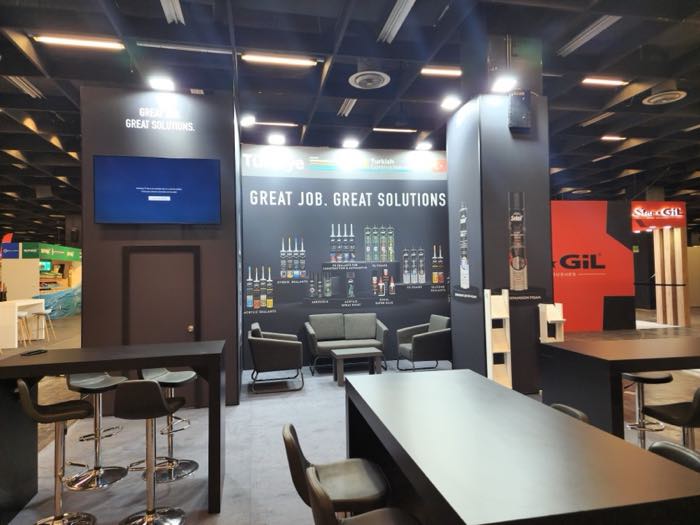
The most impressive stand means nothing if it clears customs two days after the fair opens. International fair logistics is a four-part operation: cargo planning, customs documents, transport and the on-site handover — with the return leg planned to the same standard.
Cargo planning
List the freight in two categories: stand material (structure, graphics, furniture) and exhibit products. They may travel under different customs regimes — exhibits usually go as temporary exports because they return. Build the packing list item by item and complete; anything not on the list does not cross the border with the rest.
The ATA Carnet
The standard instrument for temporary duty-free movement of fair goods is the ATA Carnet, issued against a complete list of the goods and discharged when they return. The carnet system is administered internationally through the International Chamber of Commerce network of guaranteeing associations — in Turkey, through TOBB. Items that will be consumed or given away at the fair — brochures, promotional goods, catering supplies — fall outside the carnet and need their own declaration. Close the carnet properly on return: an undischarged carnet becomes a guarantee problem later.
Transport modes and the clock
- Road: the default for European fairs — the workable cost-speed balance
- Air: for tight timelines and high-value freight; volume is expensive
- Sea: for large volumes to distant destinations; needs a long runway
Plan backwards from the fair's build schedule: your hall-entry slot is assigned by the organiser, and border delays are a fact to be buffered, not an excuse to be offered. Without buffer, one delay costs the entire build window.
On-site handling
At most major fairs, in-hall handling — forklifts, cranes — is exclusive to the organiser's logistics contractor, at published tariffs, and empty-case storage runs through the same channel because storing empties in the stand is prohibited. Order and budget these services with the main freight plan, not as on-site surprises.
Insurance and the paper file
Check what the freight insurance actually covers — transit, handling, the storage period — and add cover for high-value exhibits. Know the damage protocol: photograph case damage at handover and record it on the carrier's document, because unrecorded damage is uncompensated damage. Keep digital copies of the whole document set — packing list, carnet, invoices, transport documents, entry-slot confirmations — with the floor team; most border and gate questions are answered by a phone that can open the file.
One coordinator
Four parties touch this process: freight forwarder, customs broker, stand builder and the organiser's logistics arm. Most failures live in the gaps between them. Consolidating coordination in one fair-experienced partner keeps the schedule on a single plan — and gives you a single number to call when anything moves.
A working backwards template
For a European fair by road, the reusable template runs: fair opening, back through the build window and the assigned hall slot, border-and-transit buffer, loading day, customs documentation and carnet issue, and the packing list frozen before that. Every step carries an owner and a date, and forwarder, broker and build crew all work from the same sheet; the return leg mirrors it in reverse. Sea freight stretches the same template from weeks into months and pulls production earlier accordingly. The discipline sounds bureaucratic until the first time a missing buffer meets a slow border — after which it sounds like the cheapest insurance the fair budget carries.
For end-to-end support with your exhibition stand or corporate event — from design to on-site delivery — get in touch, or see our recent projects.