Annual Trade Fair Portfolio Planning
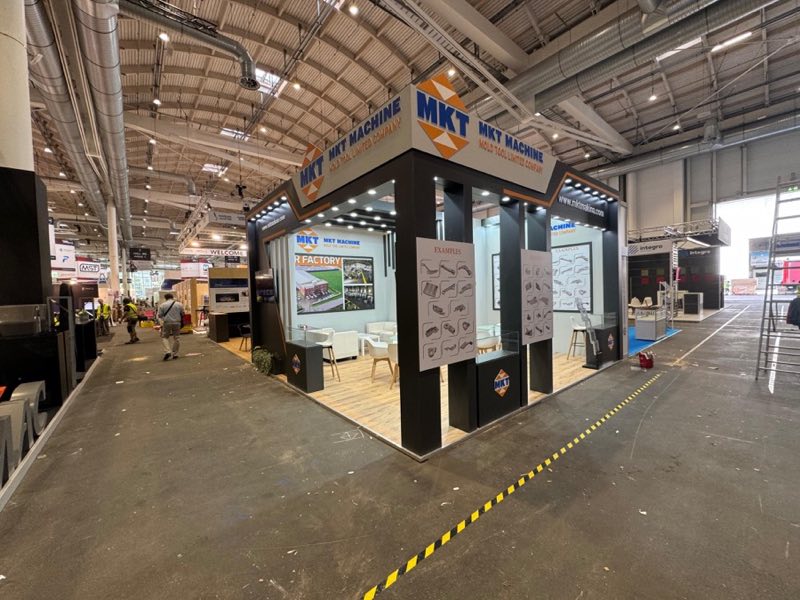
Fair decisions made one at a time scatter budget and exhaust teams. Treated as an annual portfolio, the same fairs and the same money produce visibly more — because every participation has a defined job.
Assign each fair a role
- The anchor: the year's flagship — the largest stand and budget share
- Market development: mid-scale participations aimed at new regions or segments
- Presence: small stands, or attending as a visitor with a scouting brief
Exhibiting everywhere with equal ambition means nowhere with sufficient force. Role clarity is budget allocation by another name — and it converts management approval from per-fair haggling into one strategic conversation, ideally each autumn for the following year.
Collisions cost more than dates
Fair seasons cluster. Mark each fair's full preparation window — production, freight transit, build, and the post-fair follow-up weeks — not just the fair days. Where two windows overlap, split teams and stand assets deliberately or drop one fair; an unplanned overlap is resolved by whichever fair gets the leftover energy. Assign a named owner per fair so parallel preparations can actually run in parallel, and check fair days against the sales calendar — a fair colliding with quarter close damages both.
One stand asset, many fairs
A modular system planned across the year reconfigures for each plot while keeping one graphic language, so the brand compounds recognition from fair to fair. Slot storage, maintenance and refurbishment into the calendar gaps; the season-end maintenance window is where the asset's lifespan is actually decided. The per-fair cost of the stand drops with every appearance — which is the financial argument for planning them together.
Budget, supports and risk
Annual budget approval enables the portfolio logic; per-fair approvals fight it. Map support-programme deadlines — most fair-participation supports require application well before the fair on fixed calendars. Note each key fair's cancellation terms, and avoid hanging the whole year on one event: a distributed portfolio is also risk management. Test new-market fairs in stages: scout or small stand first, full participation on evidence.
The year-end table
Keep every fair's results in one format — contacts, qualified leads, quotes, orders, total cost — and compare them side by side in December. That table writes next year's portfolio, and each passing year sharpens it: fair selection matures from opinion into an institutional dataset that no market report can replace.
Review quarterly, protect capacity
The annual plan is a living document: review it quarterly against early results, budget actuals and market movement — new fair announcements included. When an unplanned fair opportunity appears, decide it inside the portfolio: which role, replacing what, funded how? The fair added on impulse is reliably the one attended with the weakest preparation. Guard team capacity with the same seriousness as budget: write each fair's people-days into the calendar, spread ownership across named fair leads rather than one exhausted coordinator, and keep fair weeks clear of sales-quarter closings — a collision damages both numbers.
For end-to-end support with your exhibition stand or corporate event — from design to on-site delivery — get in touch, or see our recent projects.