Exhibiting at German Trade Fairs
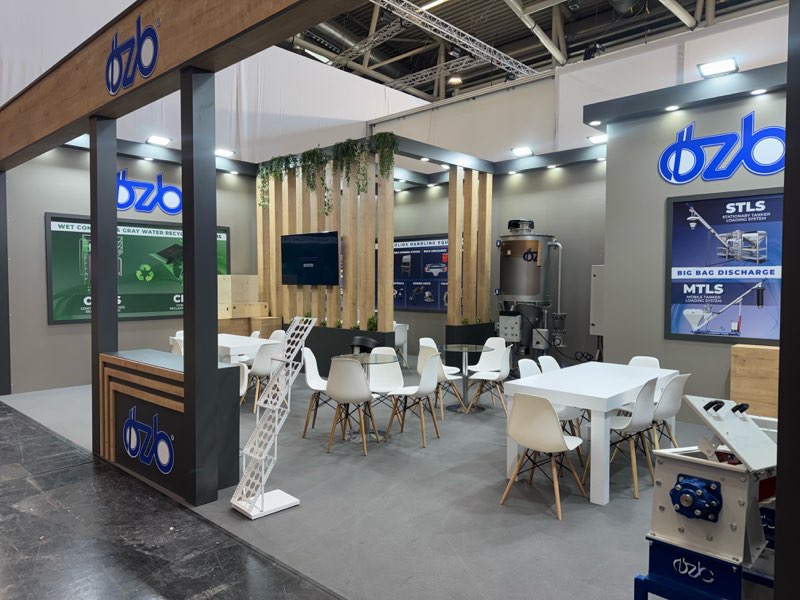
Germany — Frankfurt, Munich, Cologne, Düsseldorf, Hannover — hosts many of the world's defining trade fairs. Exhibiting there rewards discipline and punishes improvisation; the rules are stricter than most markets, and so is the payoff.
Book earlier than feels necessary
Prime plots at major German fairs sell out far ahead, with incumbents holding renewal priority — apply as early as possible. Hotel rates spike in fair weeks and central hotels fill first: book accommodation the same day as the stand application, not after. For audited fair data, the AUMA database is the official reference.
Technical rules are binding
German organisers publish detailed, enforceable technical guidelines: height limits, closed-facade ratios toward neighbours, rigging permissions, fire certificates for materials. Custom stands require design approval, and the process takes real time. Hand the technical rulebook to your design team on day one — a non-compliant stand discovered on site is a crisis without a fix.
Build-up runs on rails
Build and dismantle days, hours and vehicle slots are fixed. Hall access runs on a booking system; an unscheduled truck waits outside. Site-safety inspections are routine, and crews working without proper equipment can be removed from the hall. Plan the build against these rules with buffers — the schedule will not bend toward you.
The visitor culture
German fair visitors arrive prepared: appointments booked, technical questions ready, concrete data expected. Match the culture: fill the meeting calendar with appointment requests weeks ahead, prepare complete technical documentation, follow up every meeting in writing. Balance the appointment load against stand capacity — meeting tables, slot lengths and staffing all follow from it — and keep slack for qualified walk-ins. German-speaking staff are not mandatory, but they measurably change first contacts.
Practical notes for Turkish exhibitors
- Start Schengen visa processes early for the whole team
- Check Ministry of Trade fair-participation support and national pavilion programmes at ticaret.gov.tr
- Run ATA Carnet and customs through an experienced partner
- Review VAT treatment on contracts and invoices in advance
City logistics, and the strategy
Fair tickets usually include public transport, which beats driving in fair week; fairground food is expensive, so budget the team's meals realistically, and plan the build crew's needs for days when hall services run limited. Strategically, the proven path is to start measured — a modest, well-prepared stand — and grow position and size with the years. A German fair returns exactly what the preparation put in: the exhibitor arriving with a full appointment book and the one merely opening a stand attend two different fairs at the same address.
The first-participation minimum set
- The fair's technical manual read completely — or summarised by someone who has
- Stand design submitted early into the approval process
- ATA Carnet and freight run through an experienced partner
- The appointment campaign launched weeks ahead against a real target list
- Technical documentation prepared in English, ideally with German
- Visas, hotels and travel closed at application time
A first German fair executed on this set becomes the reference experience for every later one; executed without it, the same fair often gets blamed for a preparation failure. The market rewards exactly what was prepared — no more, and reliably no less.
For end-to-end support with your exhibition stand or corporate event — from design to on-site delivery — get in touch, or see our recent projects.