Outdoor Corporate Events: Risk Management
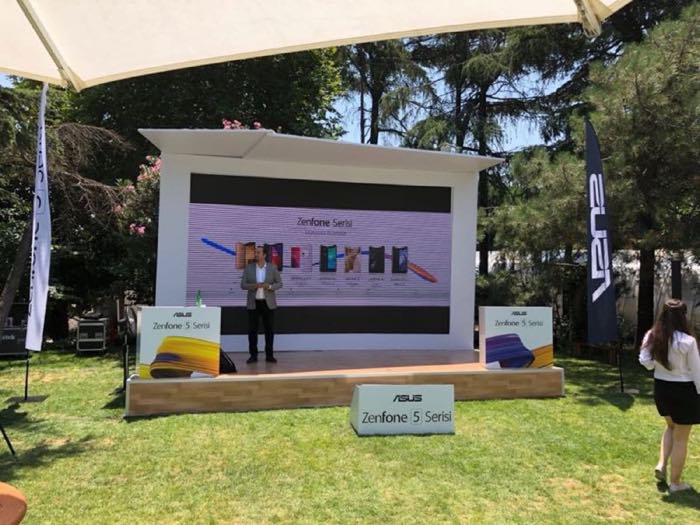
Outdoor venues give corporate events space and character that ballrooms cannot, in exchange for variables no one controls. Planning an outdoor event is, mostly, planning its risks.
Weather: the non-negotiable plan B
No confirmed indoor fallback, no confirmed date — that is the golden rule. The fallback is either the venue's indoor space or a tent solution that can be activated fast. Just as important is the decision mechanism: a defined deadline hour for switching to plan B based on the forecast, and one named decision-maker. Indecision past the deadline executes both plans badly.
Ground and power
Grass and soil need load plates under stages and furniture, and rain reduces bearing capacity overnight. Power usually means a generator — with a backup. Run cables through covered ramps, and anchor every vertical structure against wind load using methods the ground owner has approved.
Sound and permits
Near residential areas, expect volume limits and curfews. Complete municipal permits, any required police notification and music licensing well in advance. Outdoor sound design is its own discipline — no reflective walls means speaker placement and power are calculated for the space; a ballroom rig carried into a garden will disappoint.
Comfort measures
- Shade structures and a stock of umbrellas — sun is as real a risk as rain
- Portable restrooms and hand-wash points scaled to headcount
- Heaters for evening chill; water stations for daytime heat
- Insect control for green venues after dusk
- Lit, stable walking routes and ground-level warnings
Survey and rehearse at event hour
Survey the site at the same hour as the event: a noon visit misreads the light, temperature and noise of an evening programme. Check drainage and standing-water spots, vehicle access for build crews, distance to power and water, wind corridors and where the sun will actually be. If possible, run the sound and light check at event hour too — settings made in daylight rarely survive the dark.
Build, strike and insurance
Outdoor builds run longer than indoor ones and depend on weather; plan the build day assuming a rain window. Most site agreements require the ground returned as found — waste collection and turf repair belong in the strike plan, not in the surprise column. For higher-budget builds, review cancellation and equipment insurance along with third-party liability; outdoors, the premium buys sleep.
Anchoring, power and the paper trail
Every vertical structure — stage, tent, totem, screen — gets engineered anchoring matched to the ground type and approved by the site owner; tent suppliers provide documented wind ratings, and the plan defines the wind speed at which the structure is cleared. Electrical runs carry earthing and residual-current protection, with connection points weather-protected for the rain scenario. These same documents are what permit authorities ask for, so producing them early serves both safety and paperwork. Budget honestly against the indoor alternative: the venue may be cheaper outdoors, but generators, restrooms, flooring, tenting and permits usually reverse the comparison — choose outdoors for capacity, atmosphere or product fit, not on an assumption of economy.
For end-to-end support with your exhibition stand or corporate event — from design to on-site delivery — get in touch, or see our recent projects.