Stand Storage and Reuse Management
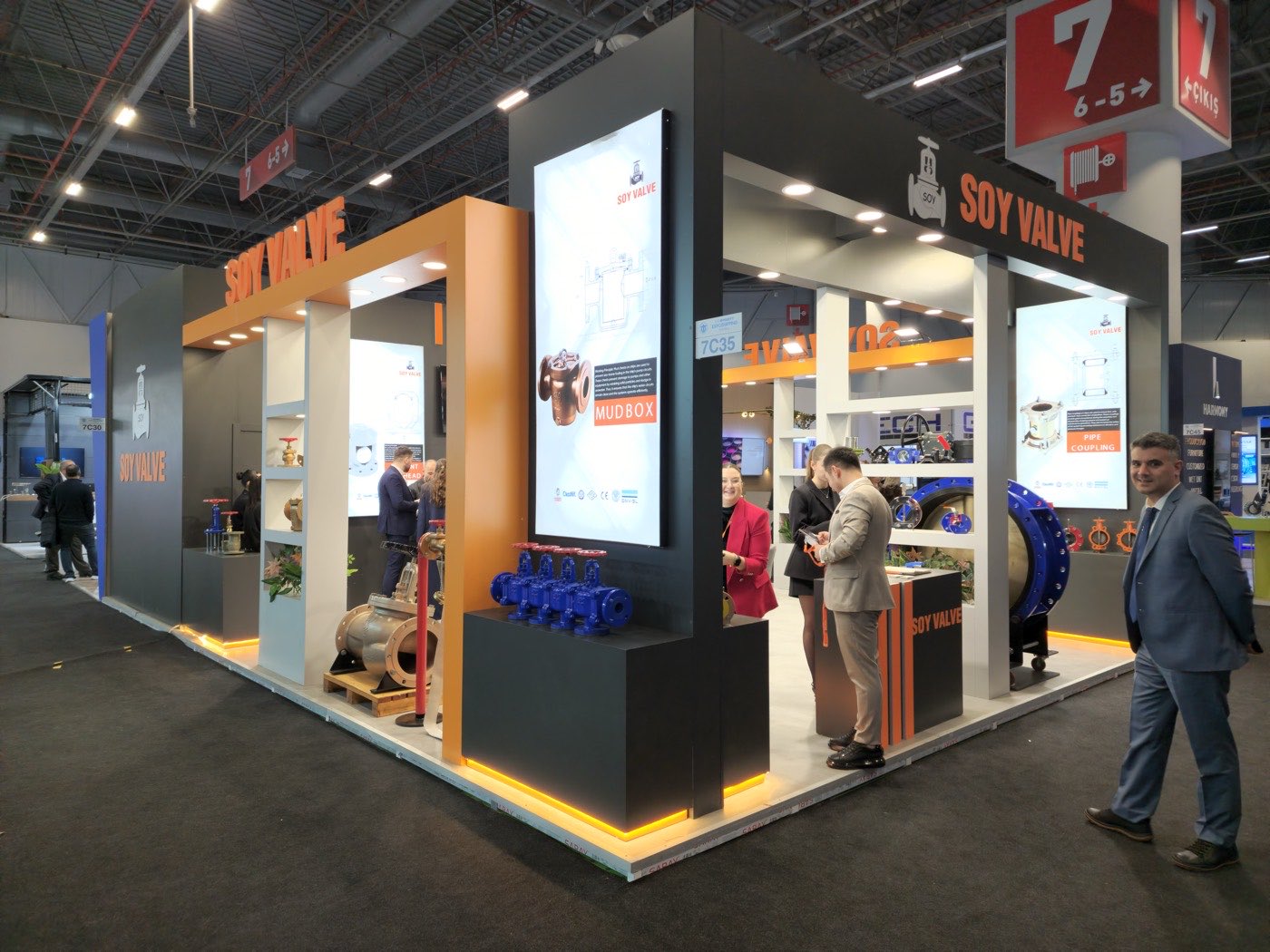
When the fair closes, a practical question decides the economics of the whole stand investment: what happens to it now? Managed storage stretches one build across years of fairs; unmanaged storage is a slow-motion skip.
Reuse begins at dismantling
A stand destined for another fair is dismantled with labels: numbered parts, fixings bagged and tied to their components, graphic panels and lit boxes wrapped. Photograph the process — those images are the next build crew's instructions. "We'll remember how it goes" is how reusable stands become unusable inventory.
The living inventory
Every item entering storage gets a line: part number, quantity, condition, photo, source fair. The list answers the two questions that matter — what do we already own for the next fair, and what needs repair or replacement — and it prevents the quiet waste of re-fabricating parts that exist. Keep it updated at every movement: out to a fair, in for repair, graphics renewed. Match part numbers to the assembly drawing, and make the whole thing phone-accessible; a missing-part query answered in minutes keeps a build on schedule.
Storage conditions
- Dry, enclosed space — timber and printed surfaces do not forgive humidity
- Heavy structure low, delicate panels vertical in racks
- Lighting and screens separated and protected
- Frequently used parts reachable without excavation
The maintenance pass
Nothing goes from warehouse to fair directly. Before each build: joints inspected, surfaces touched up, every fixture lit. Graphics updates happen here too — a constant skeleton with renewed skins reads as a fresh stand at a fraction of the cost. Version-mark the graphics archive alongside the physical parts: print files, measurement sheets, supplier details, and a flag for which designs carry the current brand identity. Shipping superseded graphics to a fair is a mistake that inventory discipline alone does not catch — version marking does. Plan one deeper maintenance window at season end; two unmaintained seasons will quietly retire the asset.
Whose warehouse, whose risk
For regular exhibitors, a storage service — the stand builder's or the logistics partner's — usually wins: proper conditions, inventory tracking and fair-calendar dispatch under one roof. If storing in-house, assign the inventory and maintenance duty to a named person; an unowned warehouse grinds parts into losses. Either way, settle liability: damage responsibility and insurance cover in the service contract, or the stand listed on the company policy with high-value items — custom fabrications, electronics — valued while they are intact. The cost comparison that justifies all of it is simple: storage plus refurbishment against rebuild, and it is rarely close.
The season-end maintenance window
Plan one consolidated maintenance pass when the fair season closes: full inventory condition check, repairs done or items written off, every fixture tested, and the first fair of next season prepared. This window catches everything the fair-to-fair sprint postponed — and it is where the asset's lifespan is actually decided, because two unmaintained seasons will quietly retire a stand that owed you five more. Hold the maintenance line in the annual budget as its own item; folded into a fair budget it becomes the first thing cut, and the cut is invisible until the third season's build day.
For end-to-end support with your exhibition stand or corporate event — from design to on-site delivery — get in touch, or see our recent projects.