Planning an Effective Dealer Conference
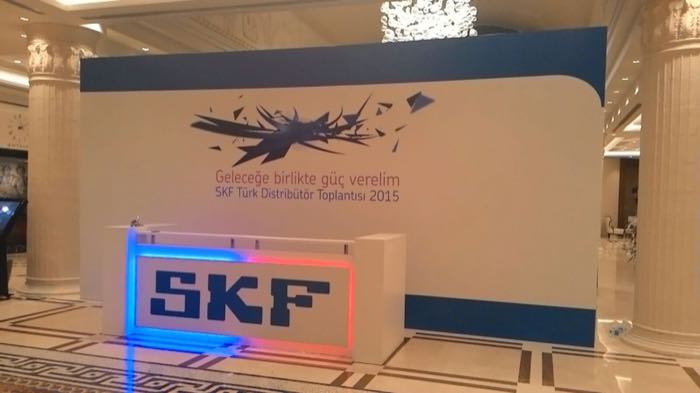
A dealer conference has to do three jobs in one programme: inform, listen and motivate. The balance between those three determines whether dealers leave as an audience or as partners.
The three-layer structure
- Information: new products, targets and marketing plans — short, well-produced stage sessions
- Dialogue: Q&A blocks, one-to-one meeting tables, regional workshops
- Recognition: awards and a well-run gala evening
A programme that is all presentations becomes an endurance test; one that is all celebration produces a pleasant trip with no business outcome. Both failures are design failures.
Build content from field input
Before decks are written, collect the current topics from regional managers: what are dealers actually talking about this year? Address those topics explicitly on stage. Place Q&A mid-programme rather than at the end — questions asked at the end are politeness; questions asked in the middle are real. Standardise all presentations through one owner so figures and formats do not contradict each other; dealers know their own numbers and spot inconsistencies instantly.
Pace management
Strategy and product sessions belong in the morning, interactive formats in the afternoon. Break every ninety minutes and change format at least once a day — a panel, a film, a stage conversation. Attention is a budget; spend it deliberately.
The awards segment
Announce categories and selection methods in advance — an award whose criteria are opaque demotivates more than it motivates. On the night: correct name pronunciation, a lit walk to the stage, a planned photo moment, and a final-day check of the winners list against the current dealer roster. Announcing a departed dealer on stage is a list-hygiene failure with a long memory.
Logistics for residential meetings
For out-of-town conferences, plan three layers: arrival day (transfers, check-in, opening dinner), meeting day, departure day. Group transfers by flight times, agree the rooming list and billing scope with the hotel in writing, and give first-time attendees a deliberate welcome — mixed tables on night one integrate newcomers faster than anything on the agenda.
After the meeting
Send the commitments summary within two days. Log every question and request collected during the sessions, assign owners and deadlines — and open next year's conference by reporting what was done about them. That single agenda item builds more trust than any keynote.
An annual rhythm, not a single summit
Dealer communication compressed into one annual meeting overloads its agenda and starves the other eleven months. The workable rhythm: one anchor conference for strategy and awards, mid-period regional meetings for operational topics, and digital updates between. This also disciplines the anchor event's programme — topics with a better home elsewhere leave the stage. Time the anchor to the sector's calendar: a season-opening meeting carries targets, a season-closing one carries recognition; forcing both jobs into one programme doubles its length and halves its effect.
Finally, archive the meeting as a project: agenda, attendance by region, the question log and the commitments list, all in one folder. Next year's planning starts from that file — and the commitments list, reported back from the stage, is its most valuable page.
For end-to-end support with your exhibition stand or corporate event — from design to on-site delivery — get in touch, or see our recent projects.