Congress Management: Multi-Room Operations
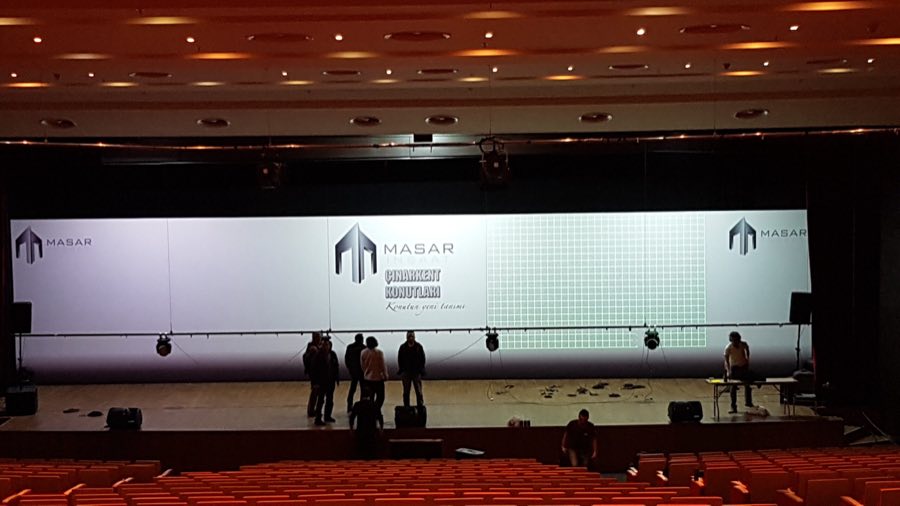
A congress multiplies everything: hundreds of delegates, dozens of speakers, parallel rooms, a programme that changes by the hour. Small failures that a single-room event absorbs become chain reactions here. What keeps a congress upright is systems, not heroics.
Registration throughput
Most delegates arrive in the same half hour. Calculate desk numbers from that peak, not from the daily total. Online pre-registration and QR entry shorten each transaction; an offline-capable system and a name-lookup desk are mandatory fallbacks. For badges, the hybrid model works: pre-printed for confirmed delegates, print-on-demand for the rest.
Parallel session architecture
Match room capacities to expected demand — asking for session preferences at registration turns this from guesswork into data. Allow realistic corridor time between sessions. Assign every room a dedicated room manager: one person who keeps time and radios the control point at the first sign of technical trouble. Room managers are the spine of congress discipline.
Speaker traffic
Run speaker management as its own desk: presentations collected in advance, distributed to rooms from one central system, room-and-time reminders, and a greeting before each session. Central slide management retires the "speaker searching for a USB stick" scene permanently.
Time discipline
A session that overruns by ten minutes shifts its room's entire day. The countermeasures are unglamorous and effective: visible timers for moderators, written time limits for speakers, buffer minutes between sessions. Publish programme changes from a single authority, simultaneously to room managers, the information desk and the event app — competing versions of the truth are worse than the change itself.
Delegate services
- Clear signage and a floor map at every decision point
- Coffee stations calculated per delegate count, distributed across the venue
- Rest areas and charging points
- One always-current programme source, printed or digital
Sponsors placed where the traffic is
Sponsor stands live or die by placement: put them where the coffee breaks happen and they get natural footfall; line them up in a distant corridor and they stand empty all day. Schedule explicit exhibition time in the programme, observe traffic through the days, and give sponsors a post-event summary — next year's sponsorship revenue is built on this year's report.
Content committee and paid-registration mechanics
Where a programme committee owns the scientific or professional content, split the responsibility in writing: content decisions in the committee, execution in operations, and one channel between them for changes. Collect presentations through a single platform with a deadline set comfortably before congress day. Paid registration adds its own machinery: category pricing with early-bird calendars, a tested payment flow, invoicing, refund rules. Colour-code badge categories — delegate, speaker, press, sponsor, staff — and tie room access to them. Sponsors sign a rights table (logo placement, stand position, speaking slots, inserts) and receive photographic proof afterwards; that report is next year's sponsorship sales deck.
Close the congress in three work packages with named owners: delegate-facing (thanks, presentations, certificates), partner-facing (sponsor reports, speaker thanks, supplier settlements) and internal (attendance report, budget actuals, team debrief) — assigned before closing day, or they dissolve into weeks of drift.
For end-to-end support with your exhibition stand or corporate event — from design to on-site delivery — get in touch, or see our recent projects.